62 Hours of Travel, 59 Years in the South
2014
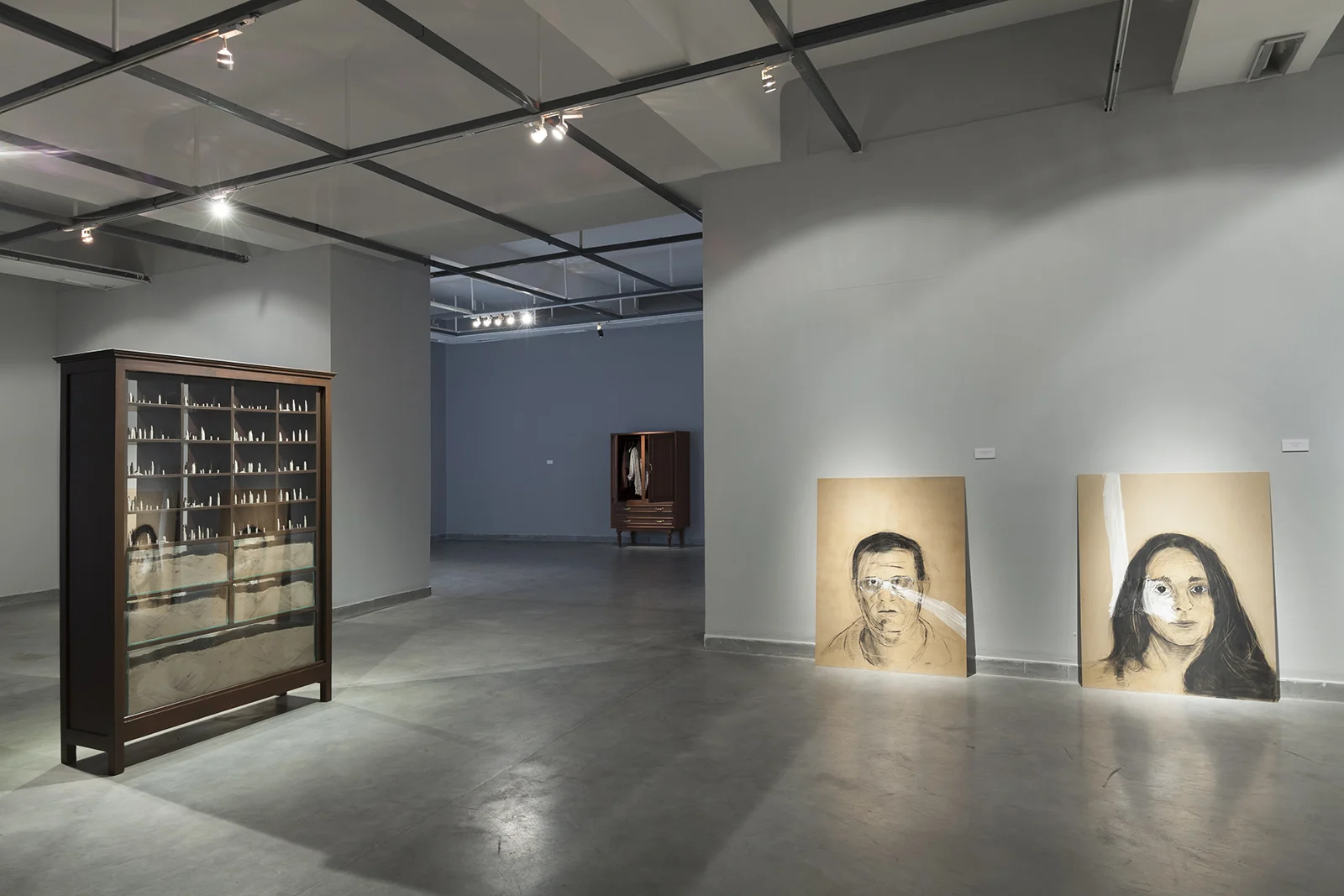
The exhibition
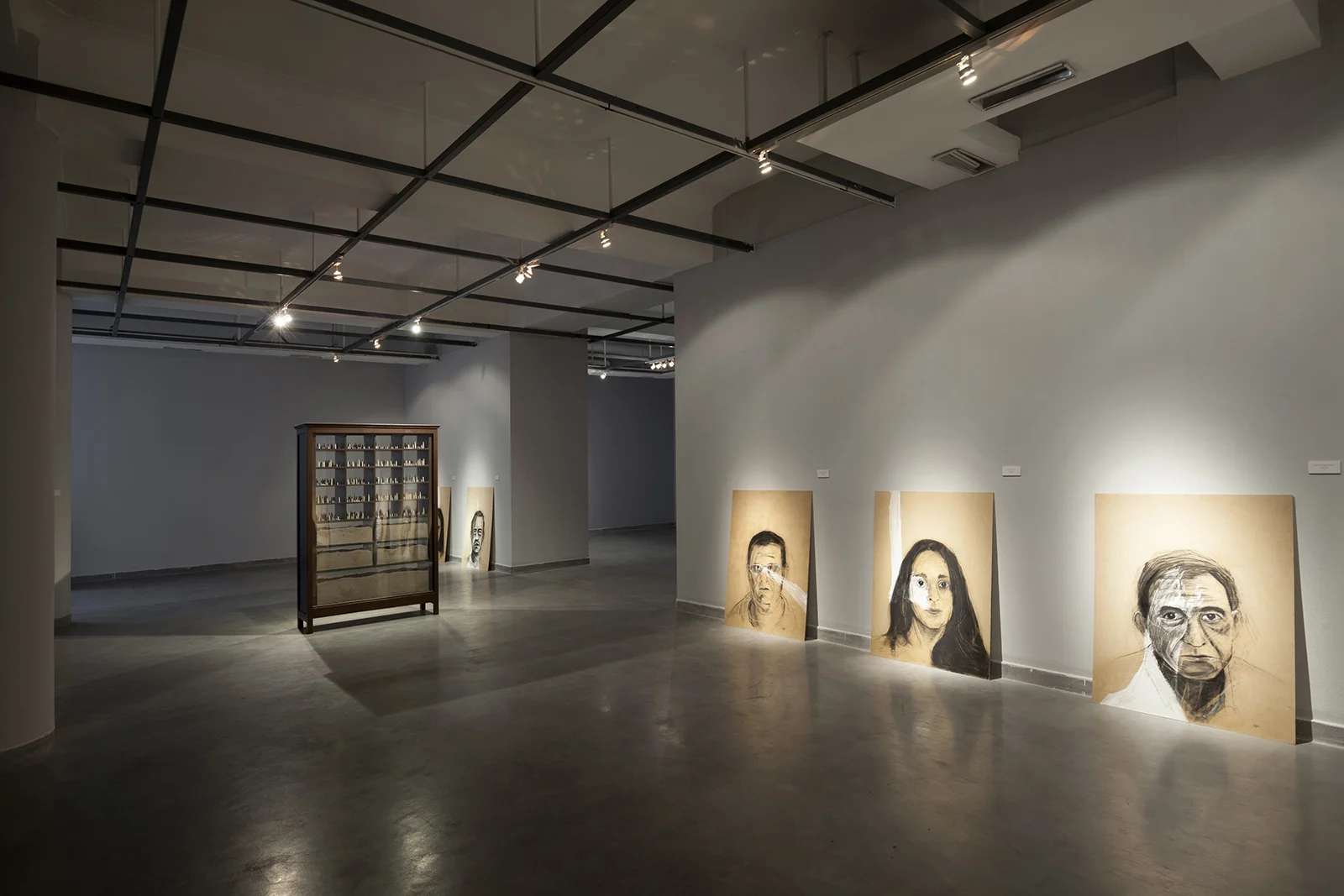
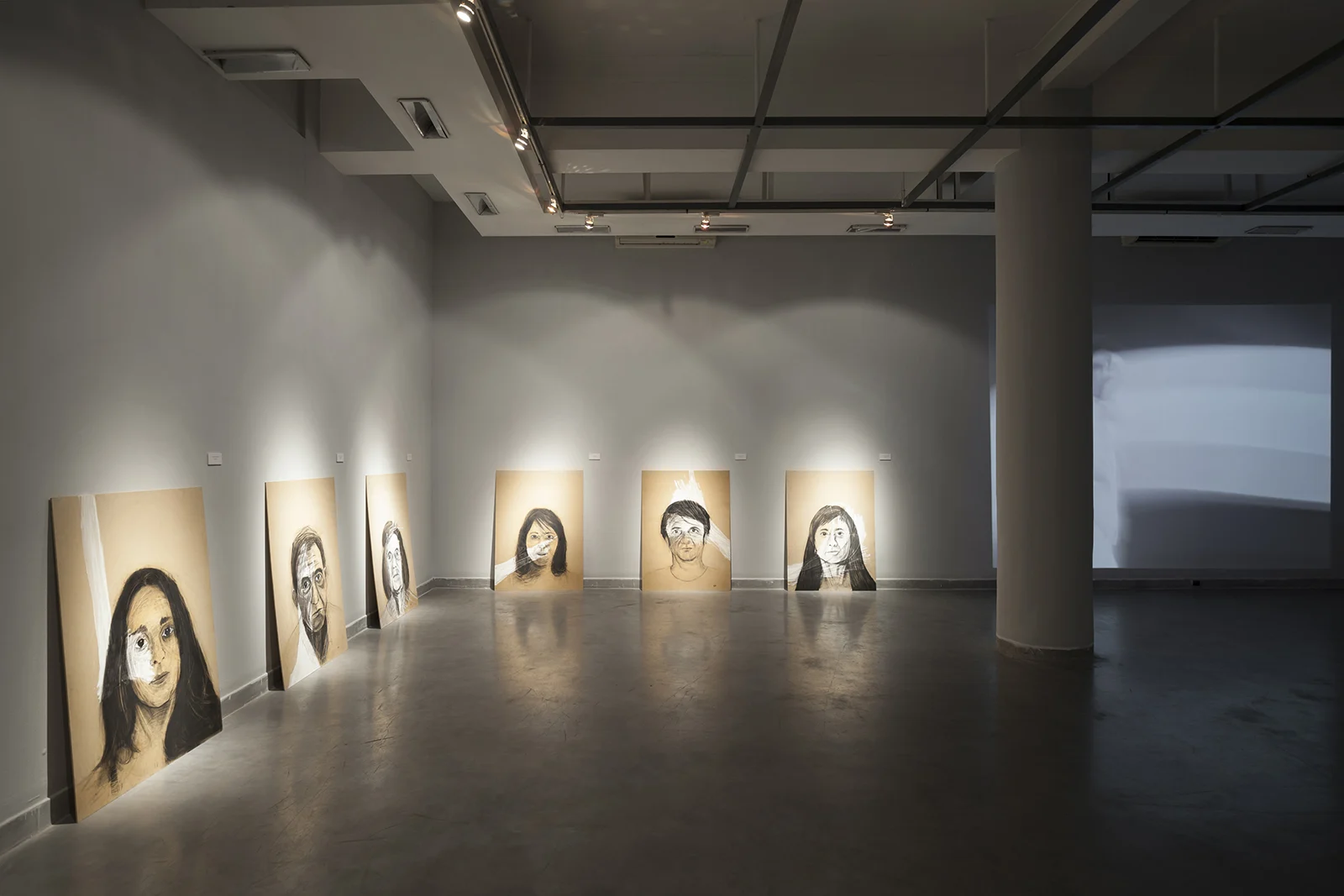
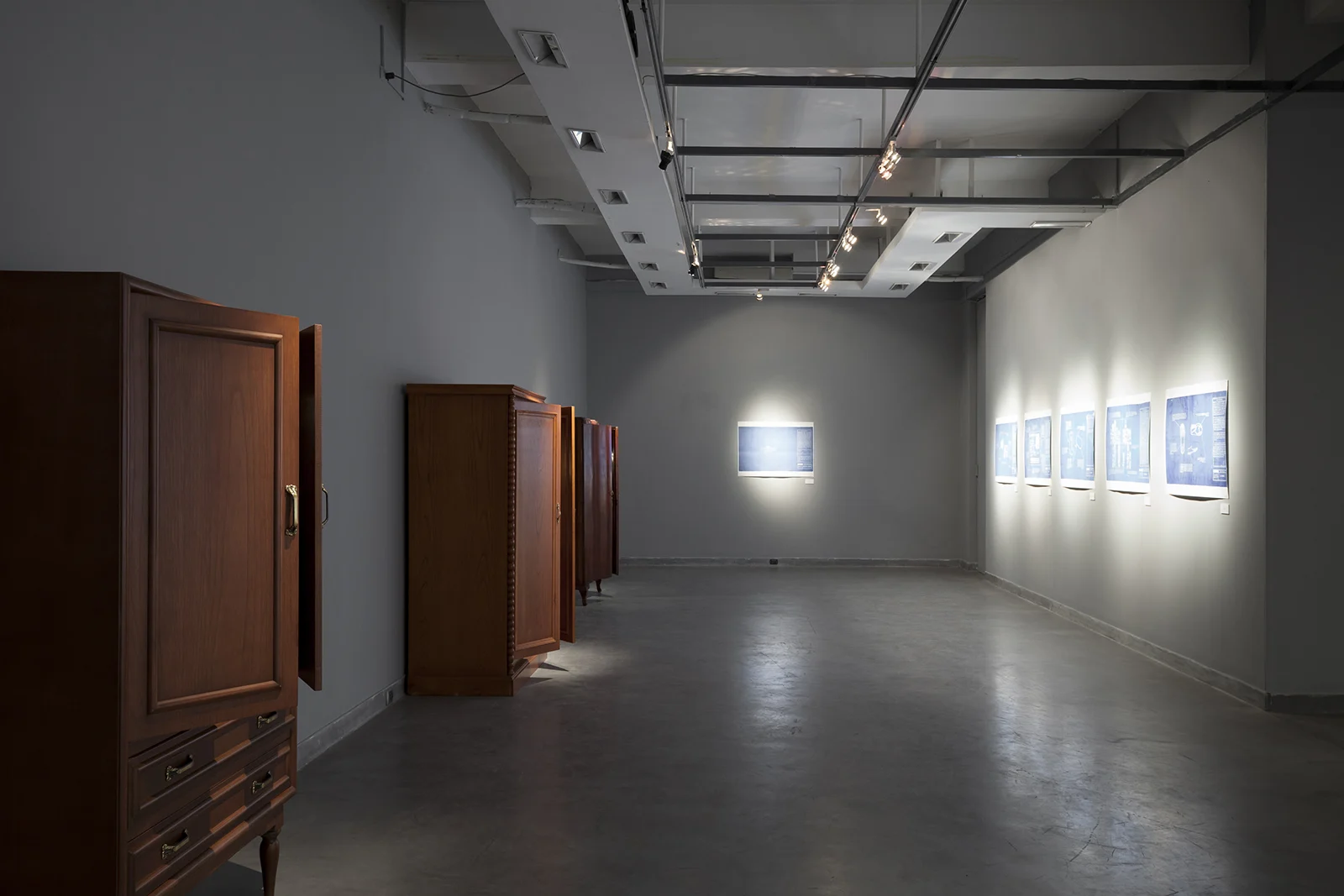
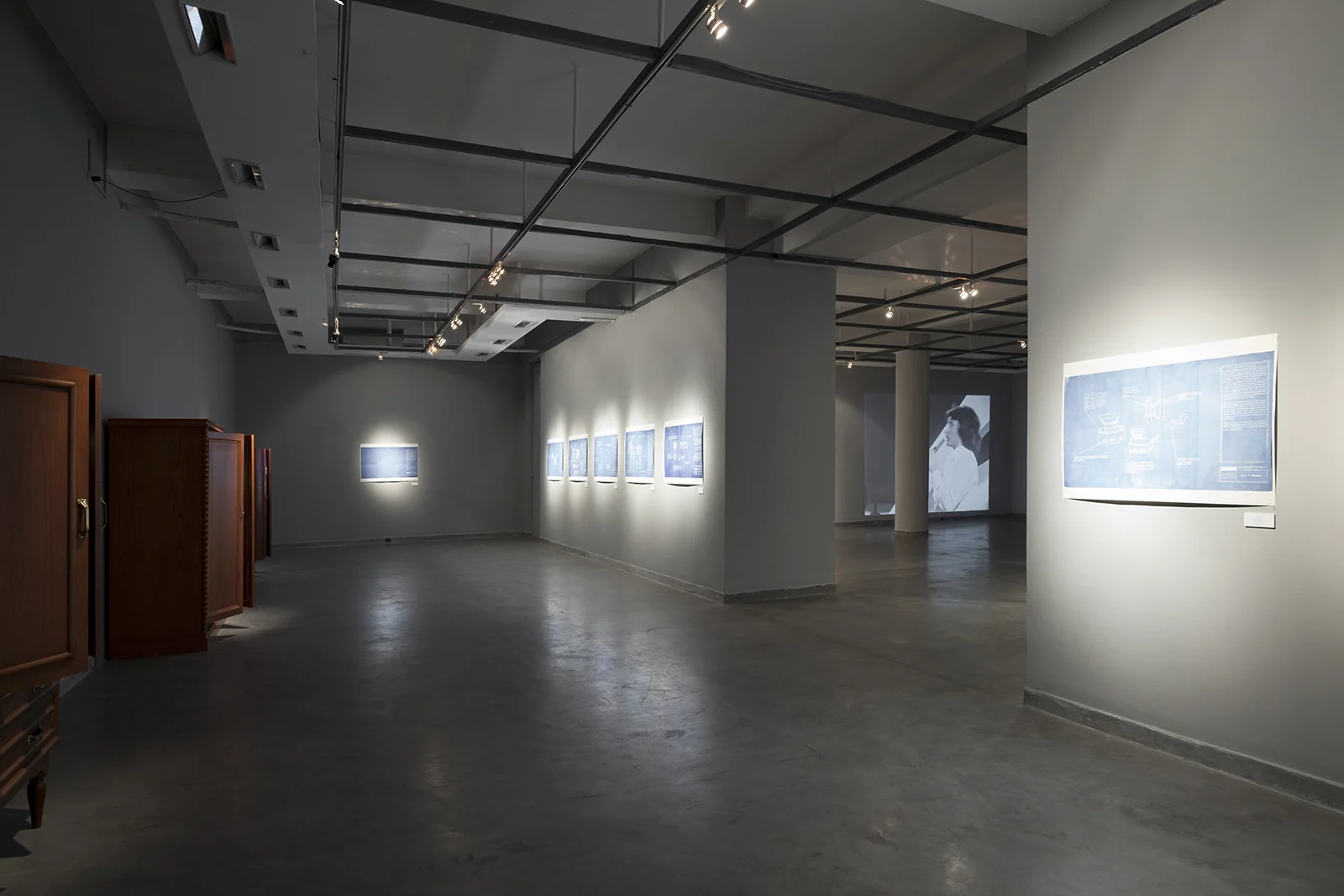
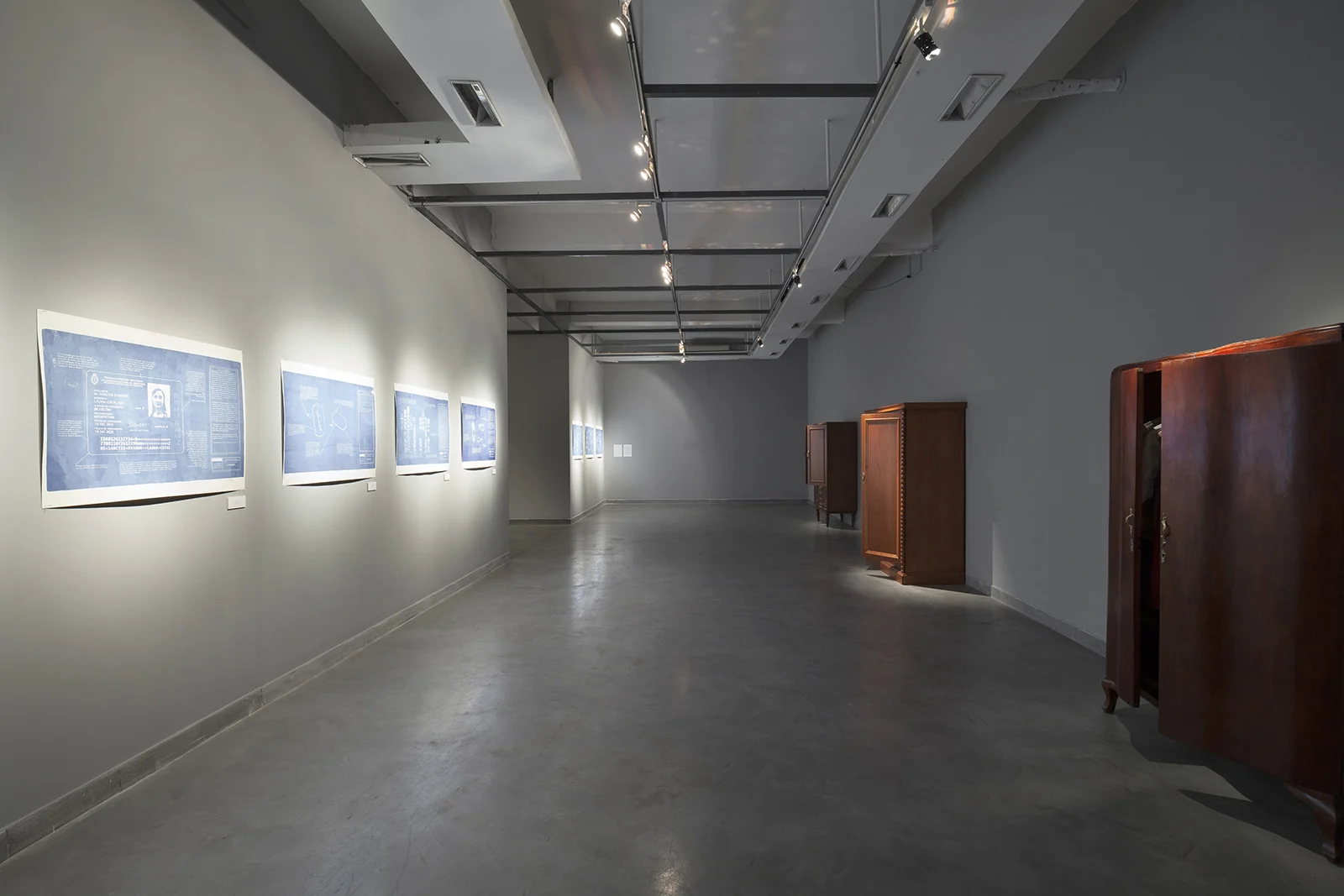
Portraits
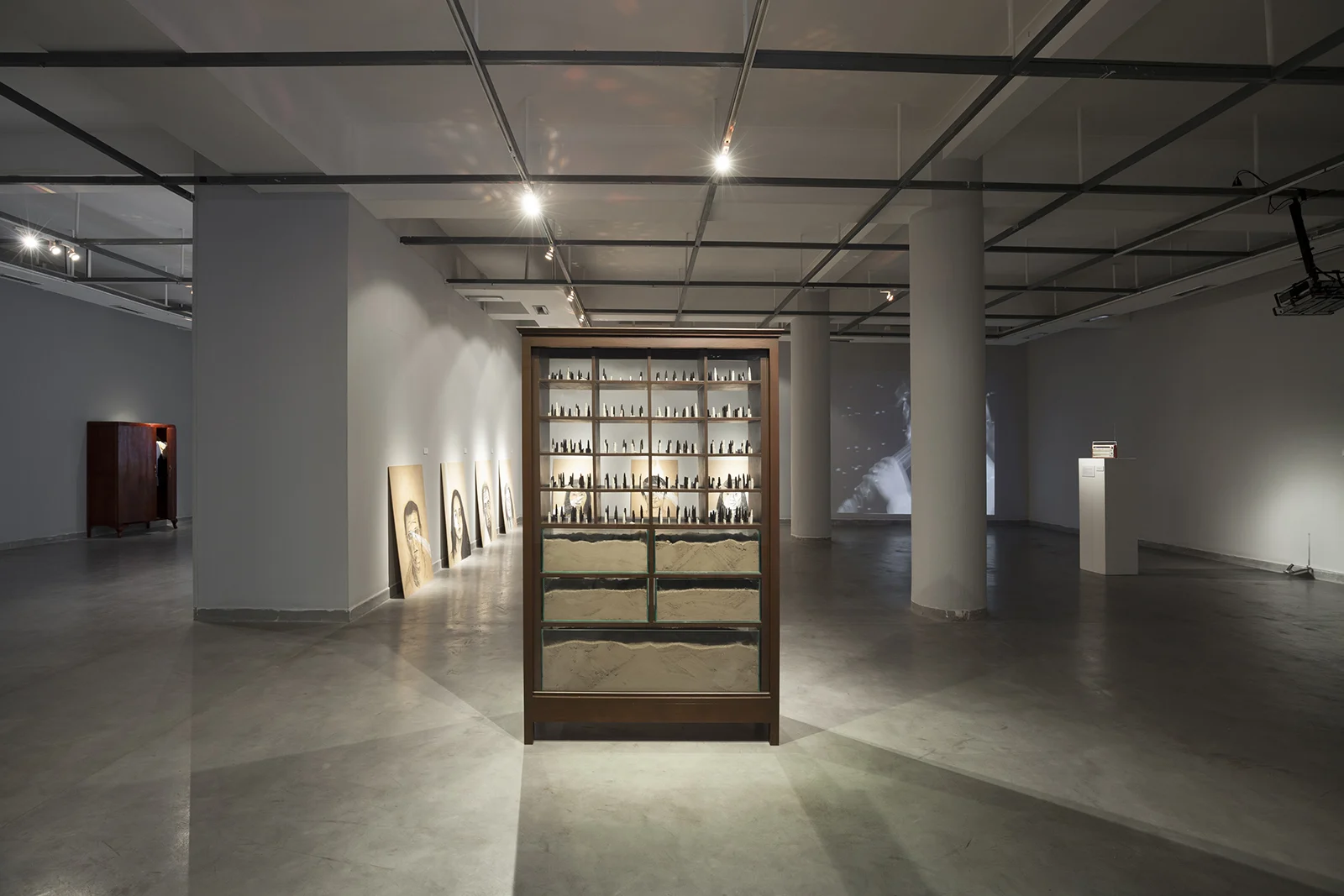
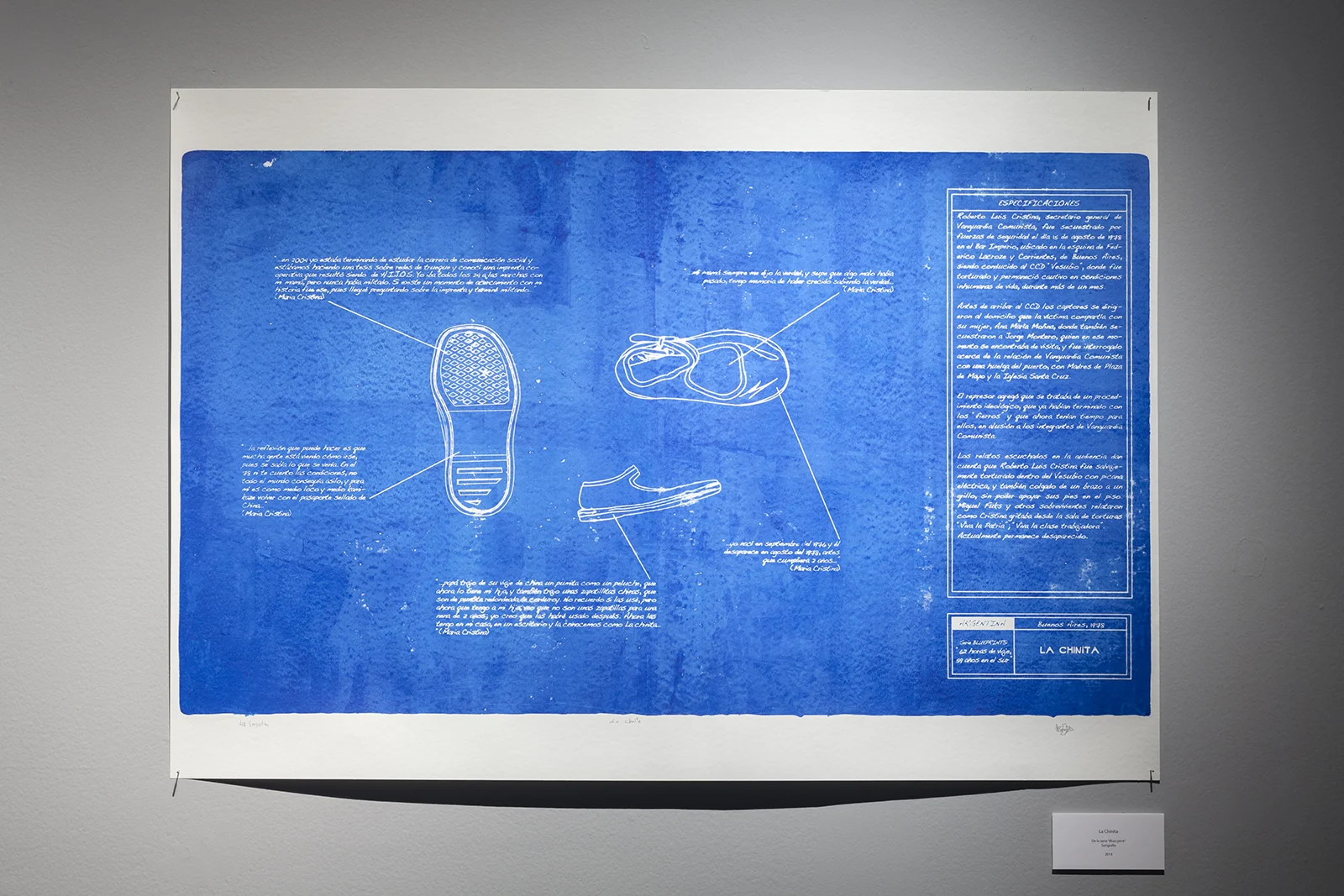
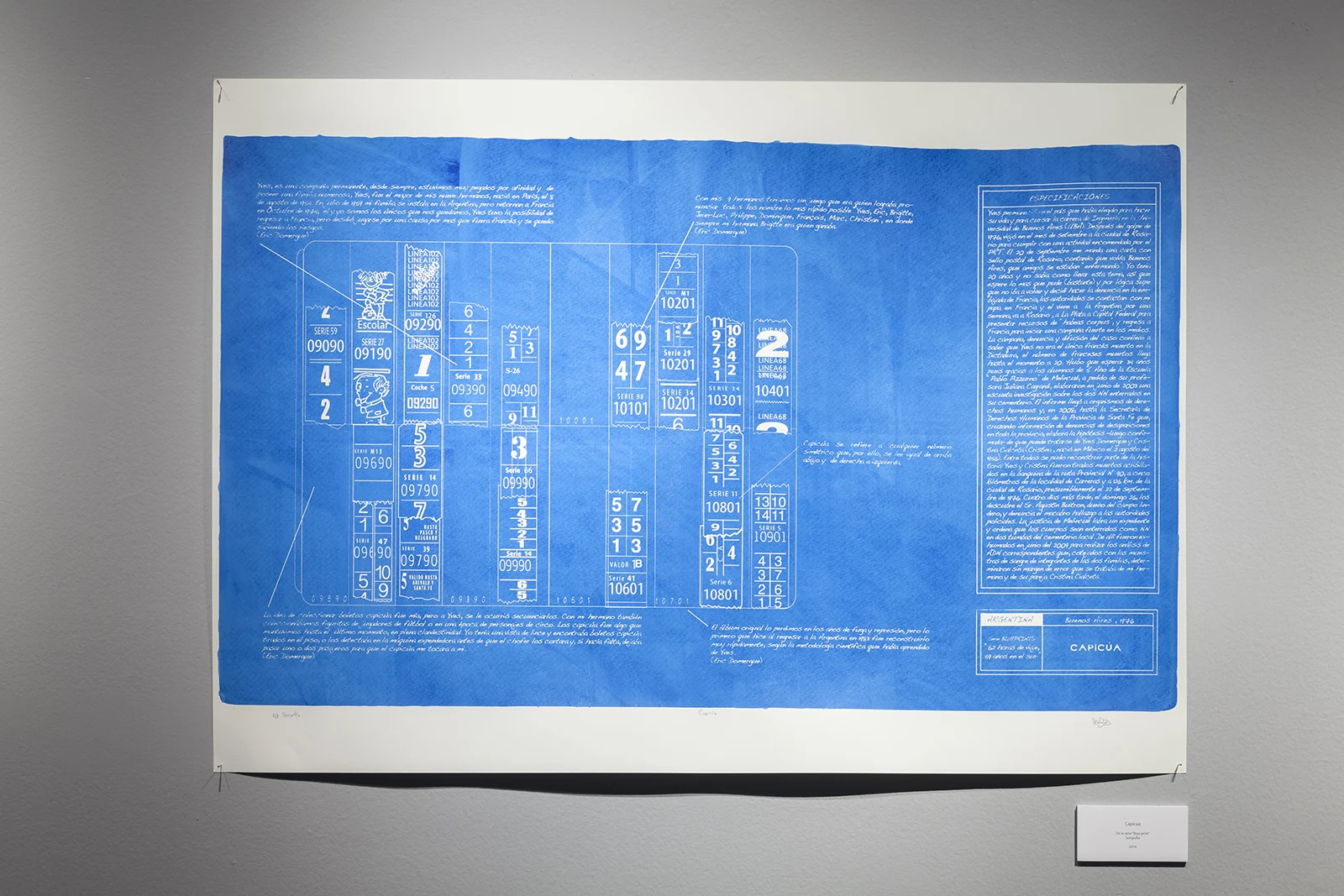
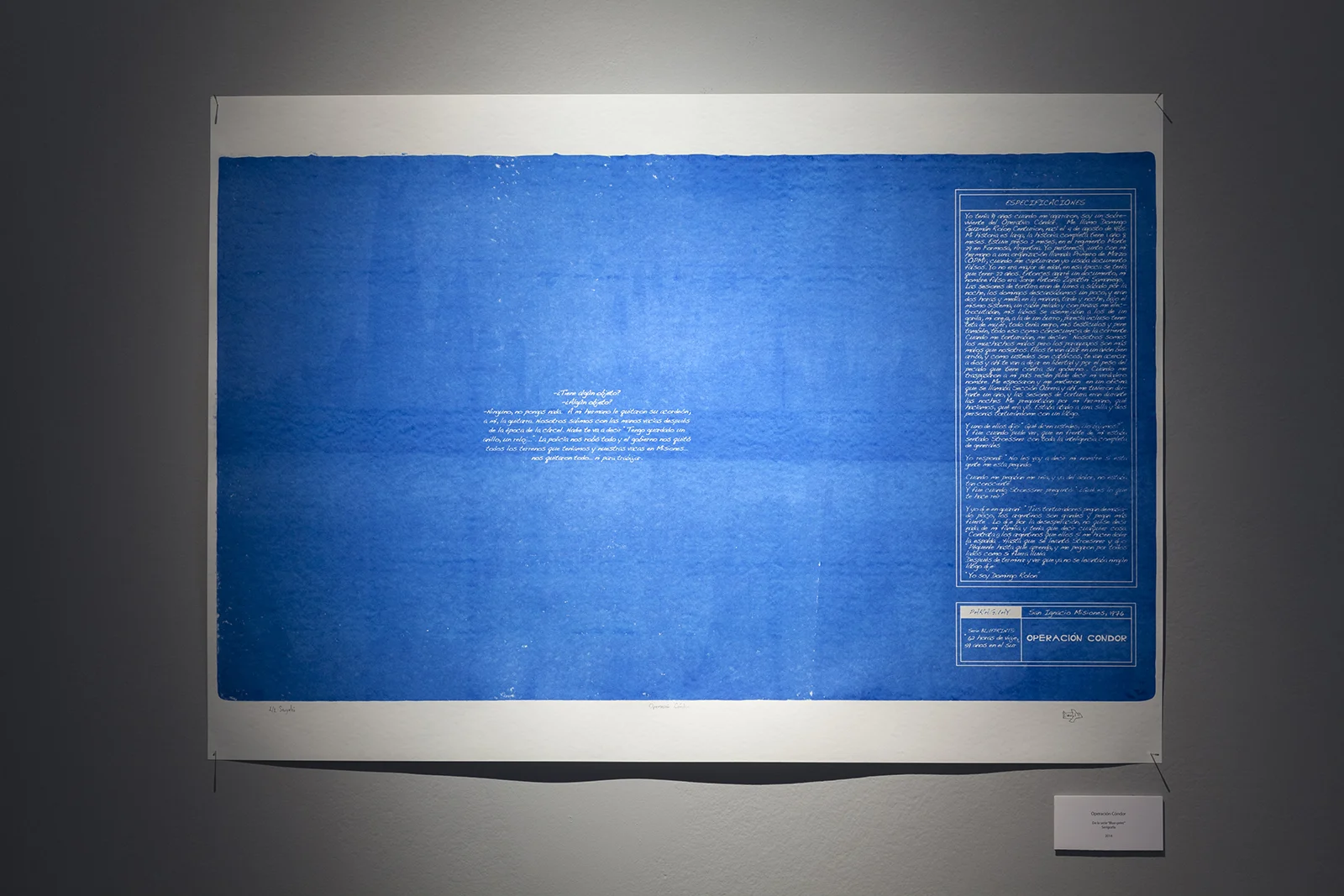
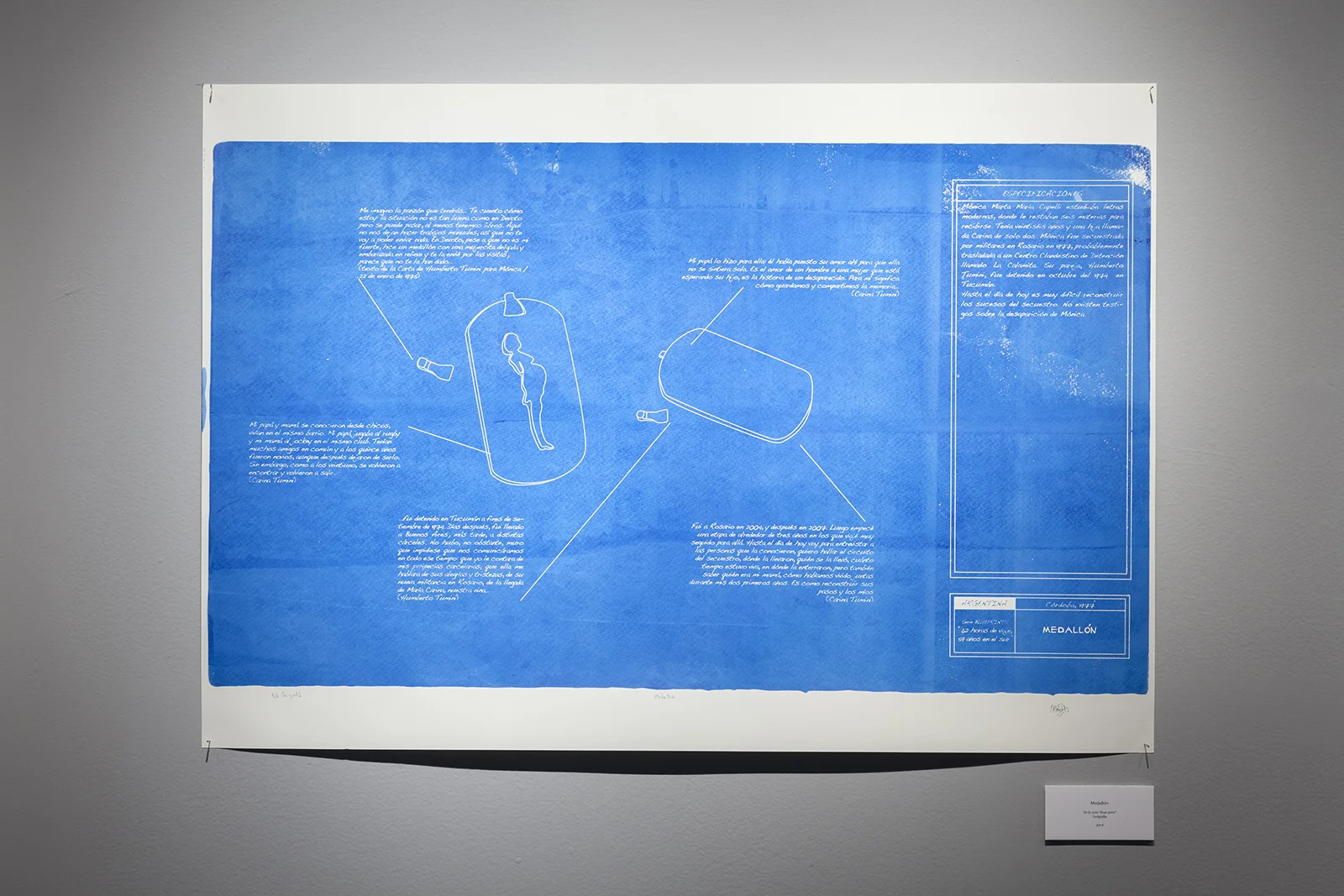
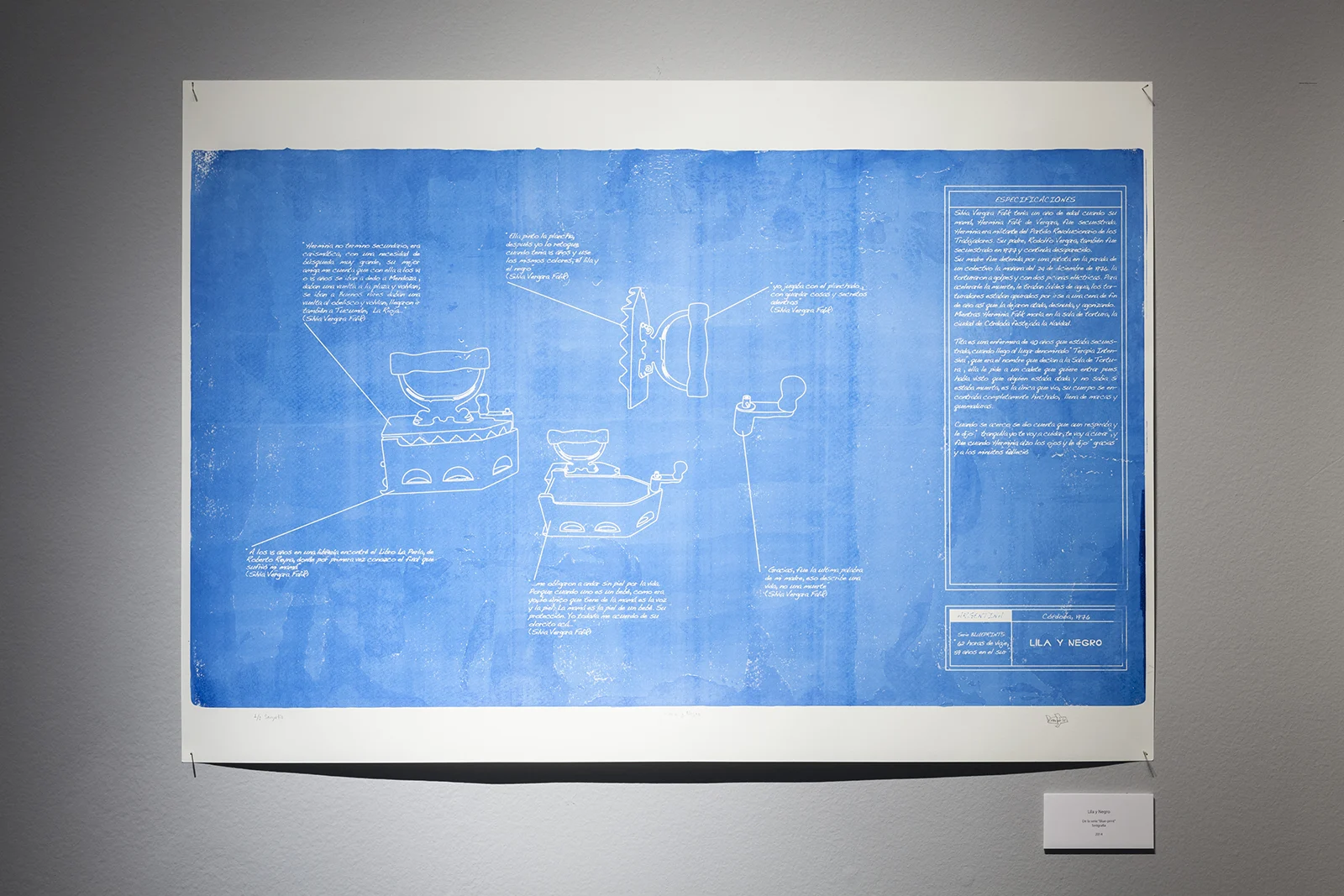
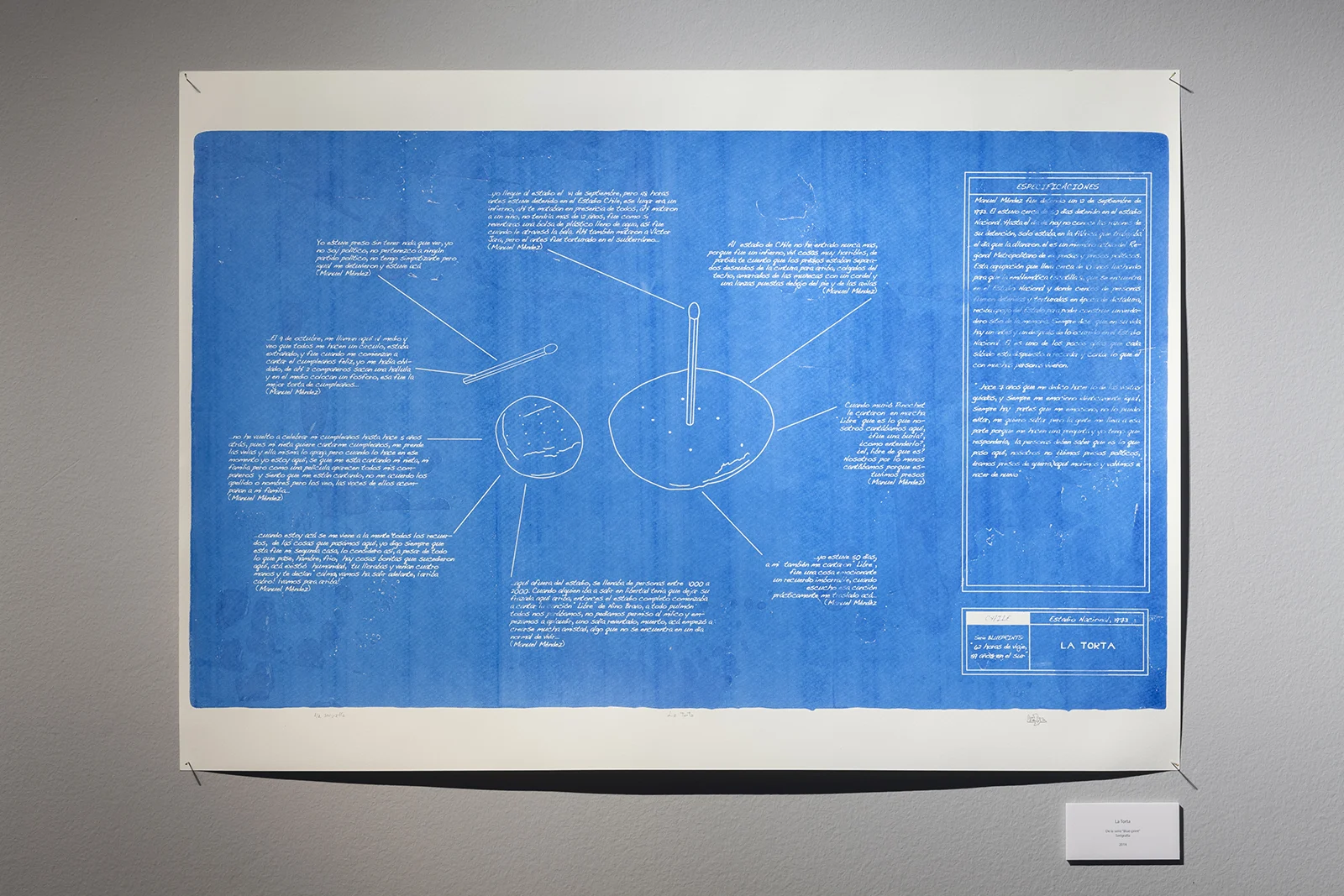
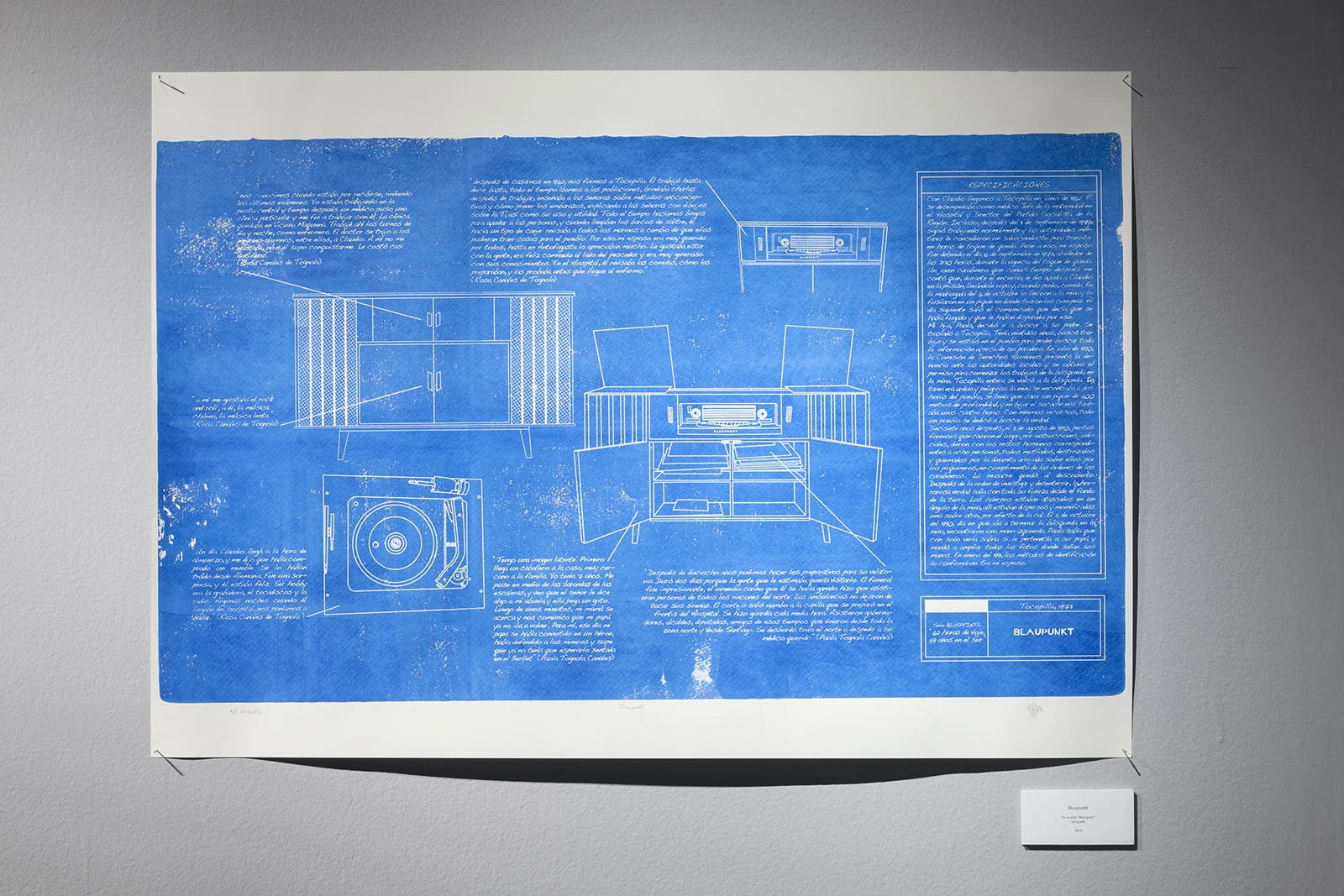
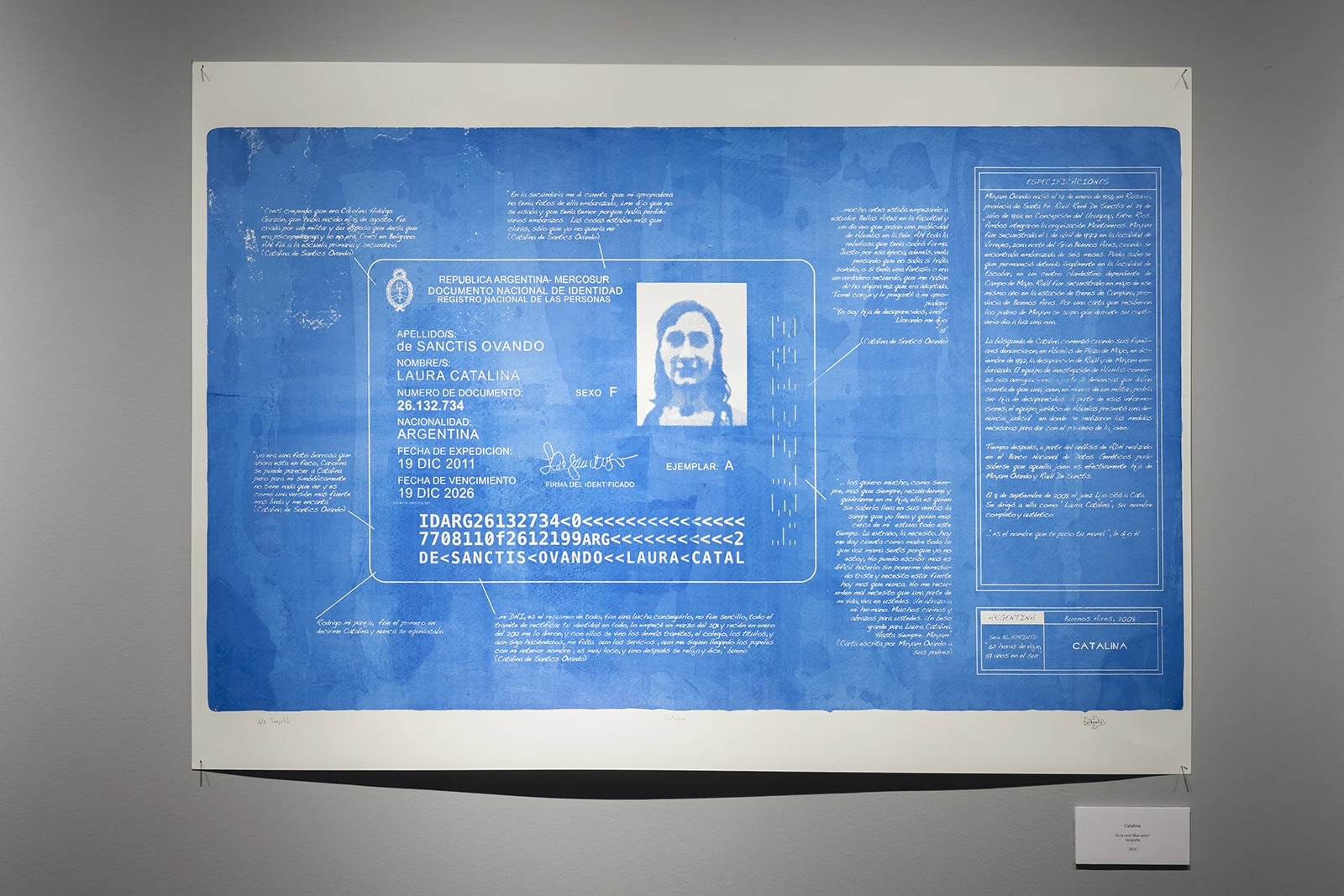
Objects and archives
Films
Reading and archive
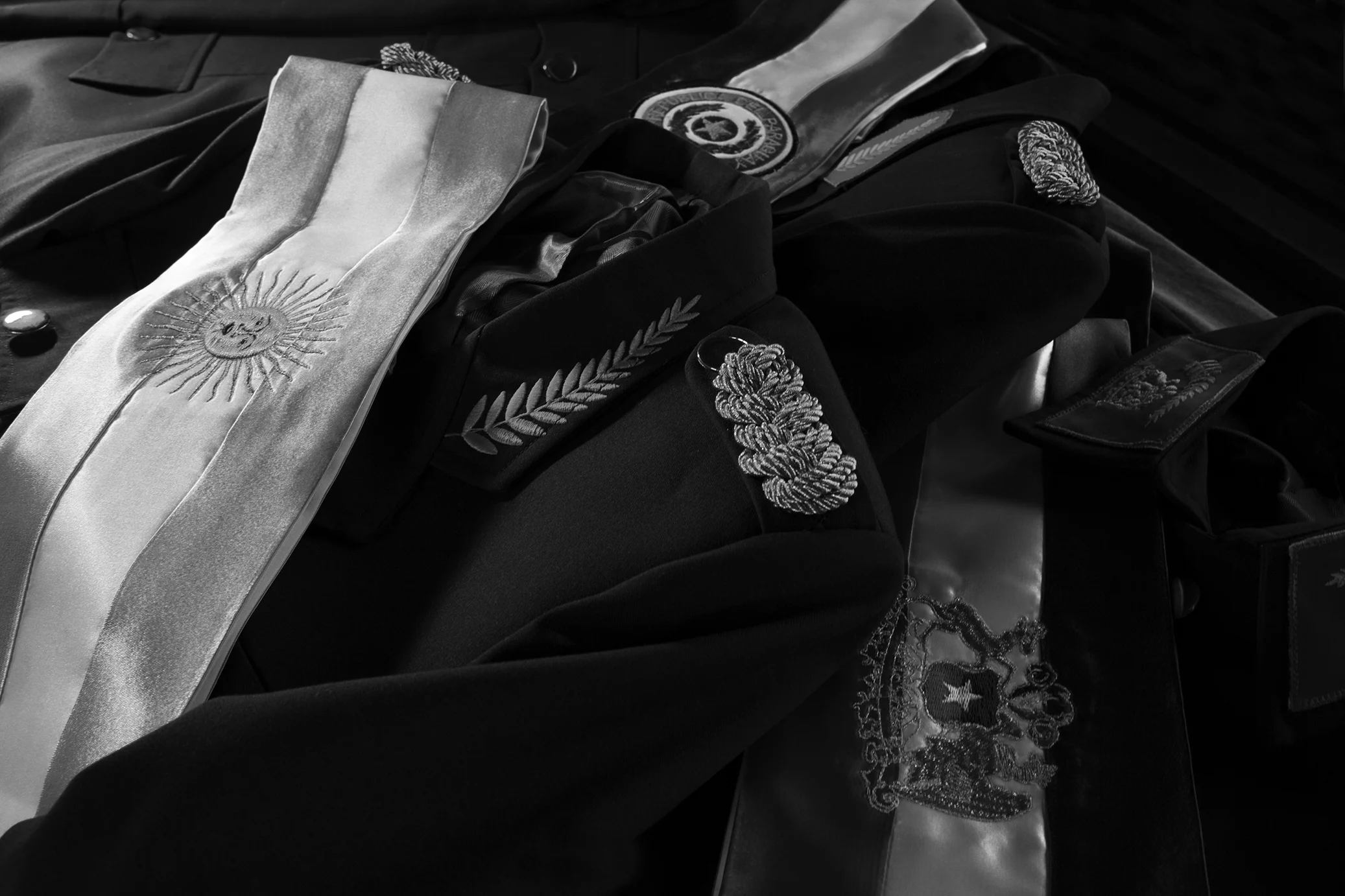
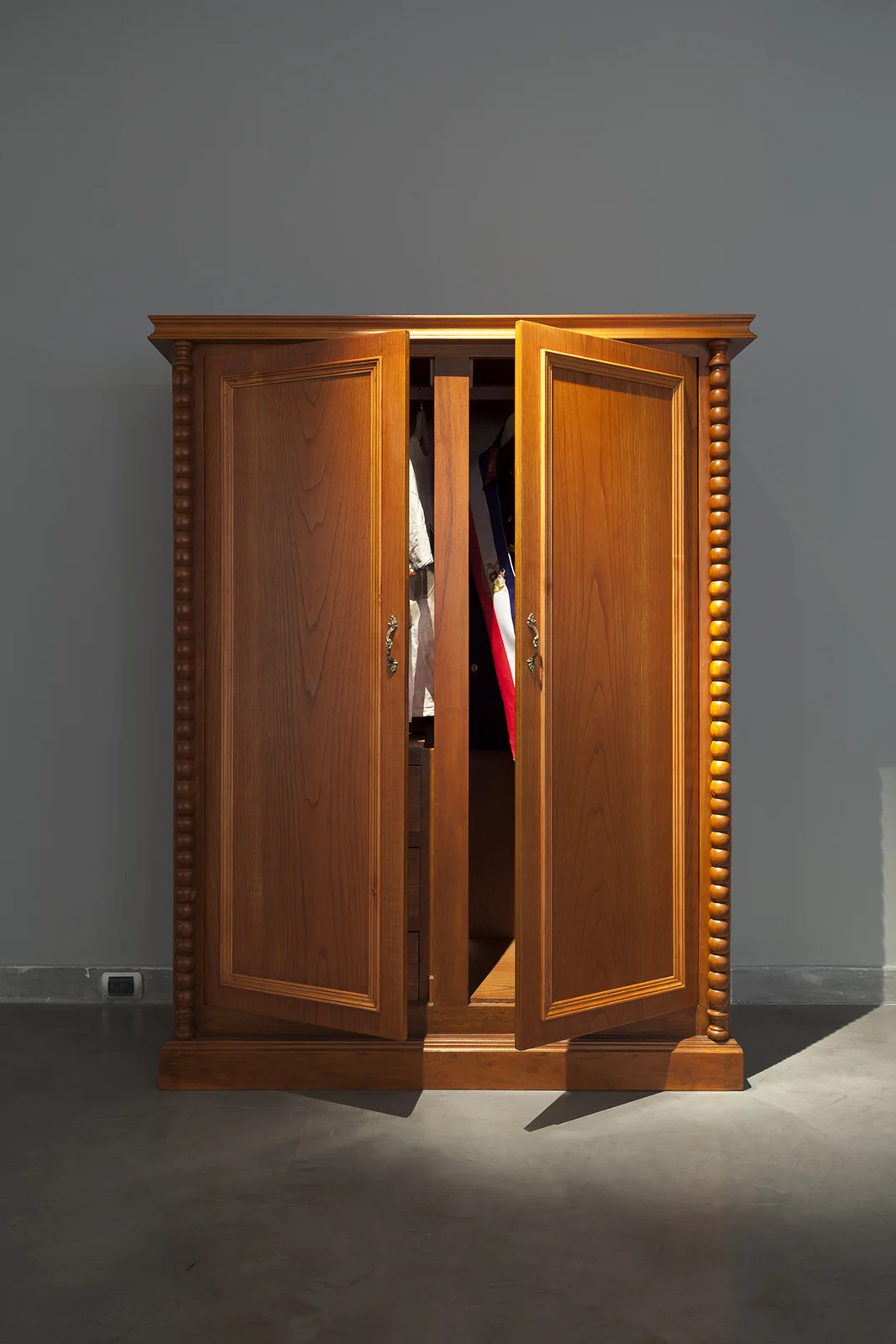
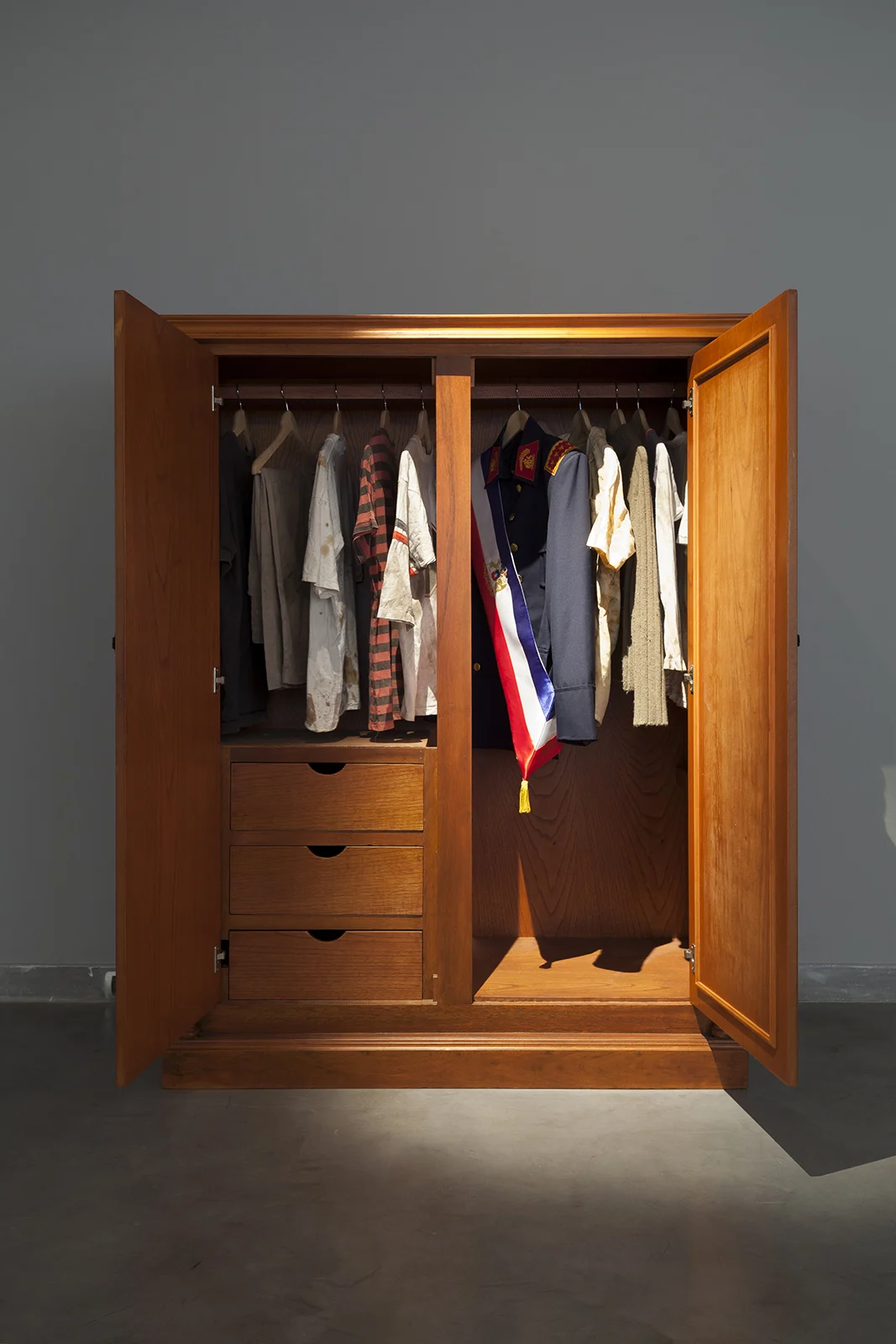
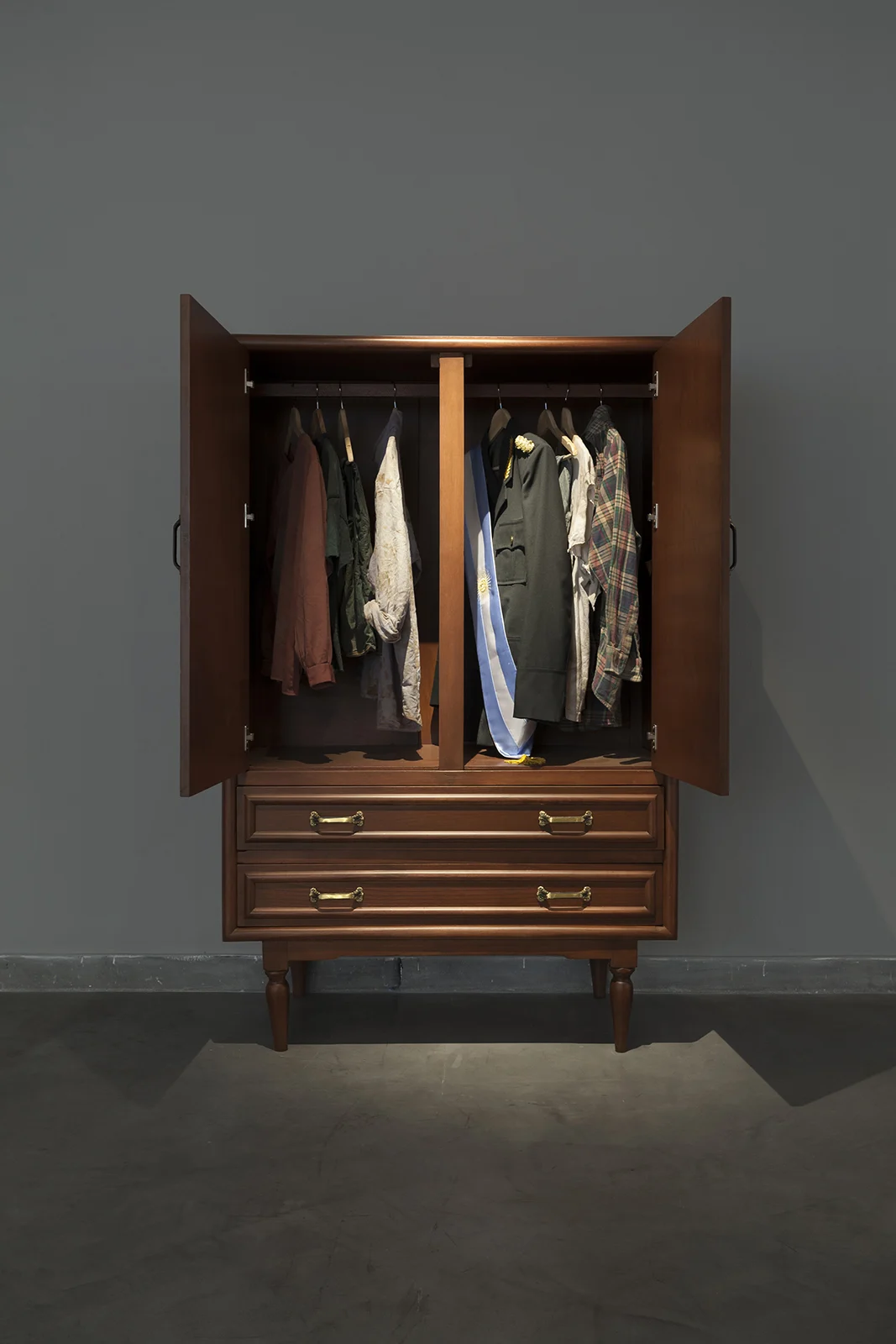
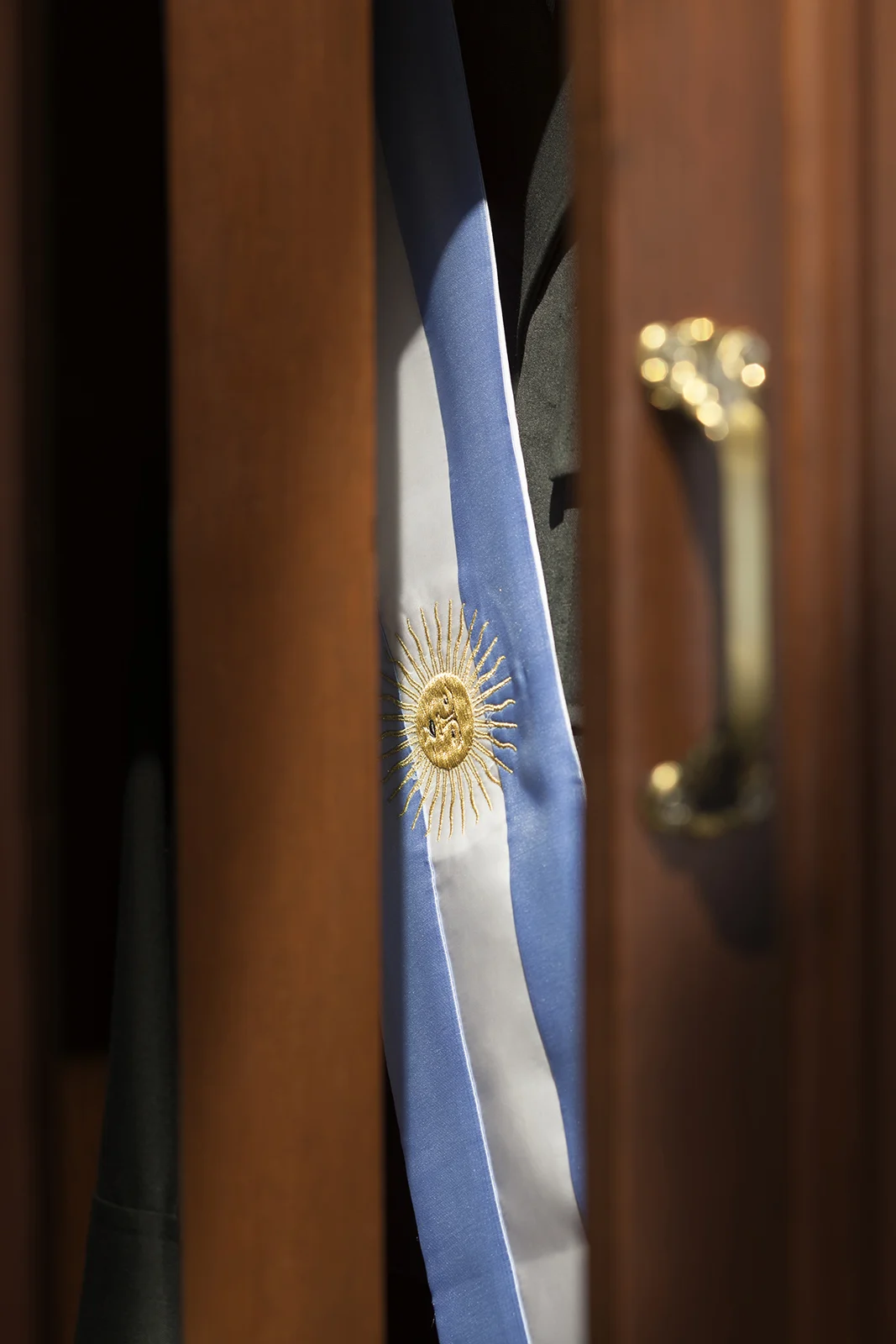
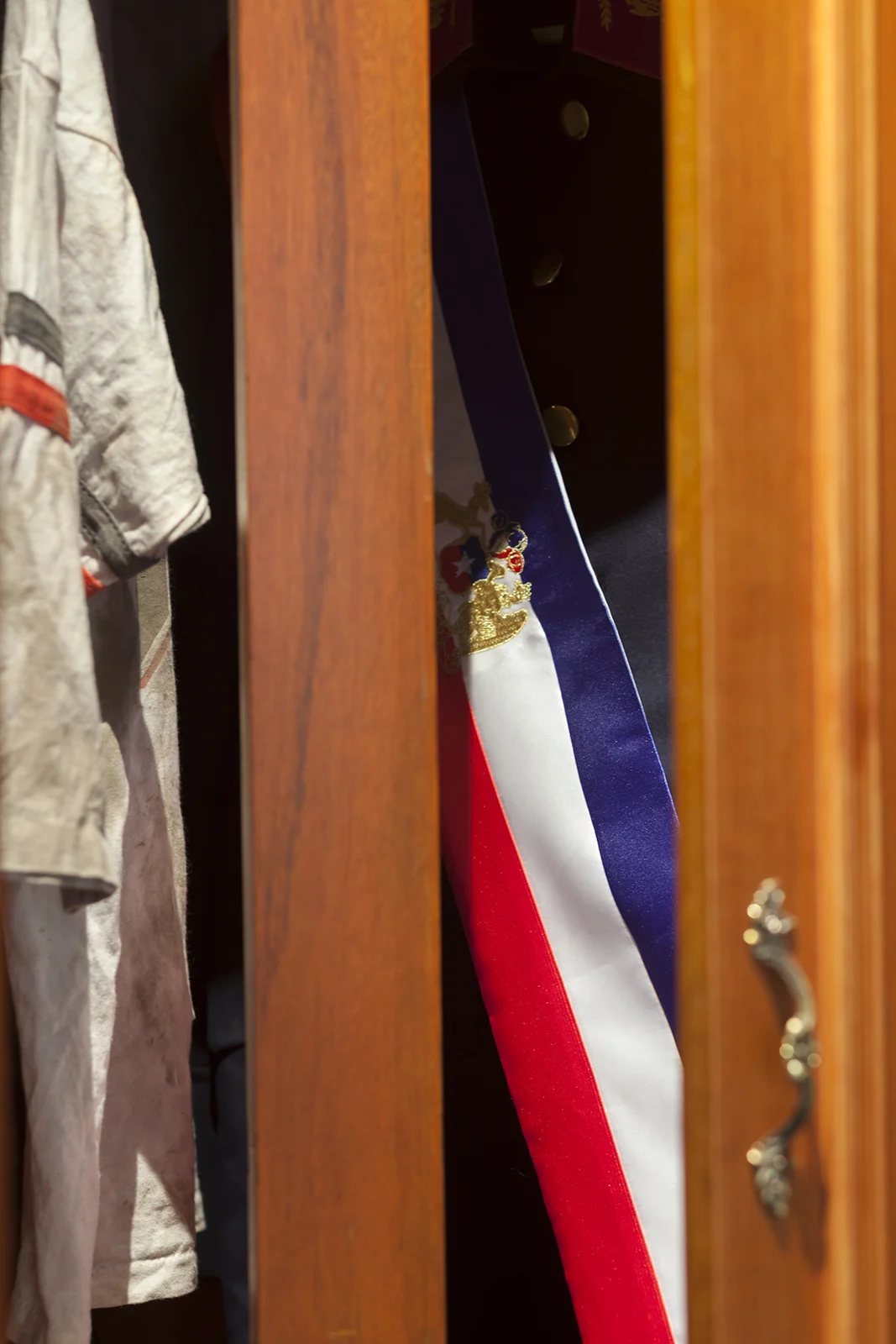
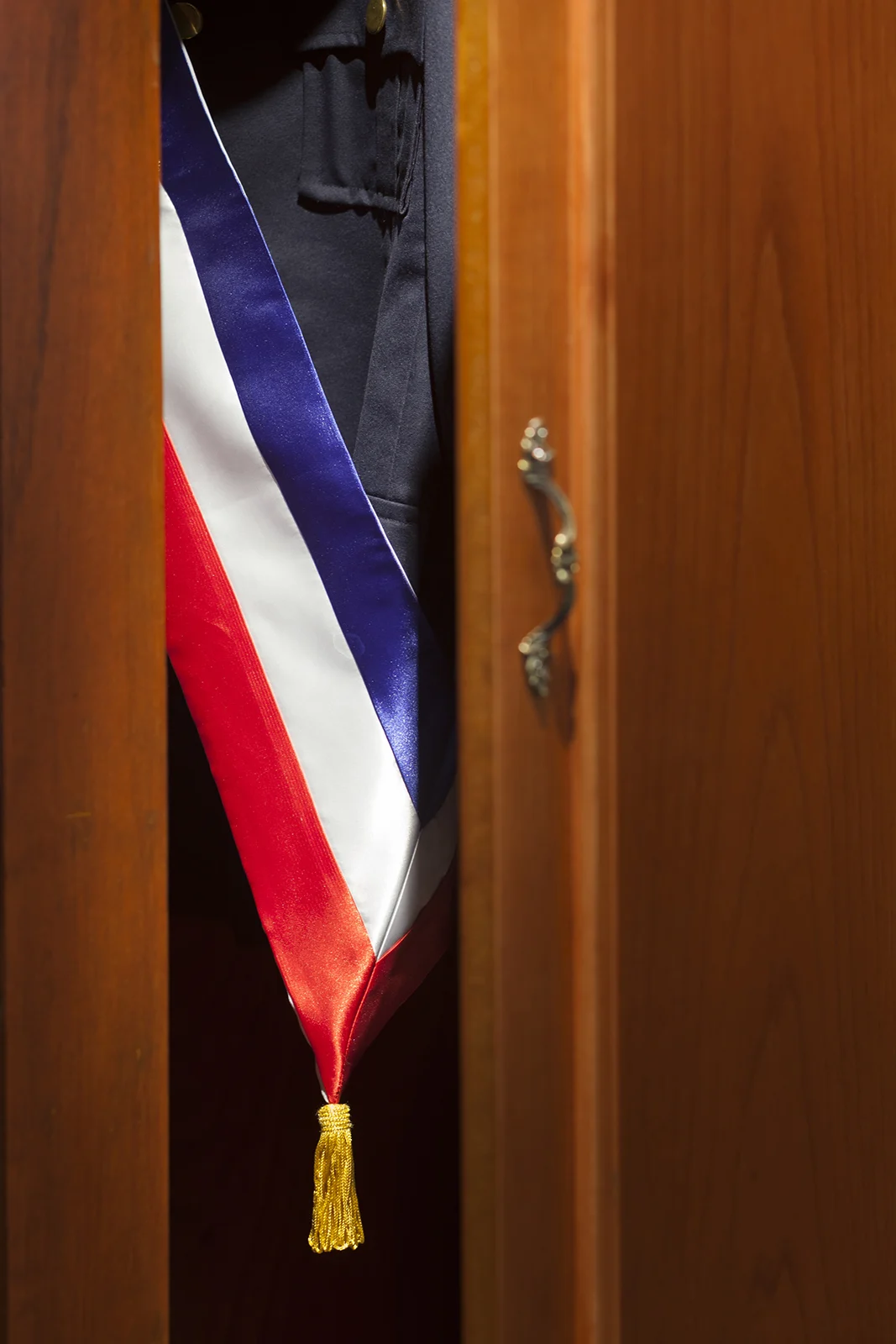
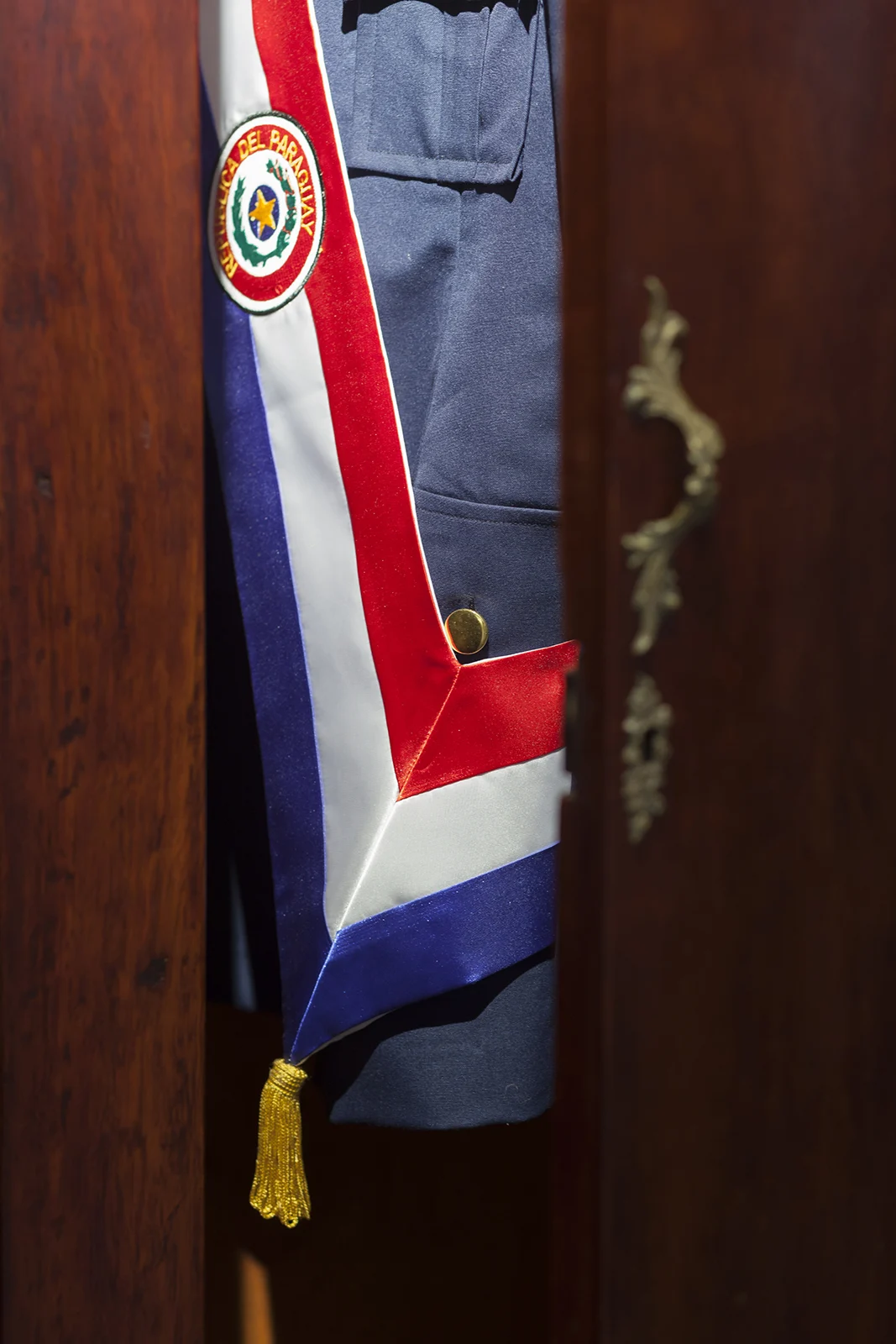
If there are two things that characterize the creative process of visual artist Rudolph Castro, one is the sharp perception of presence - measurably and alive - of objects in the dimension of the everyday; the other is the direct and admirable nature of his intuition, the way it activates a weave of resonances -memories, desires, fantasies, fears-, which are immerse each of these objects into a person. With simplicity and depth, he has been able to transform the dark swirling of life into something manageable, to throw an unspectacular light on the real in the most basic sense, to make a clairvoyance emerge from the banal: a General’s uniform hanging in a closet is not equal to a hidden skeleton in the closet.
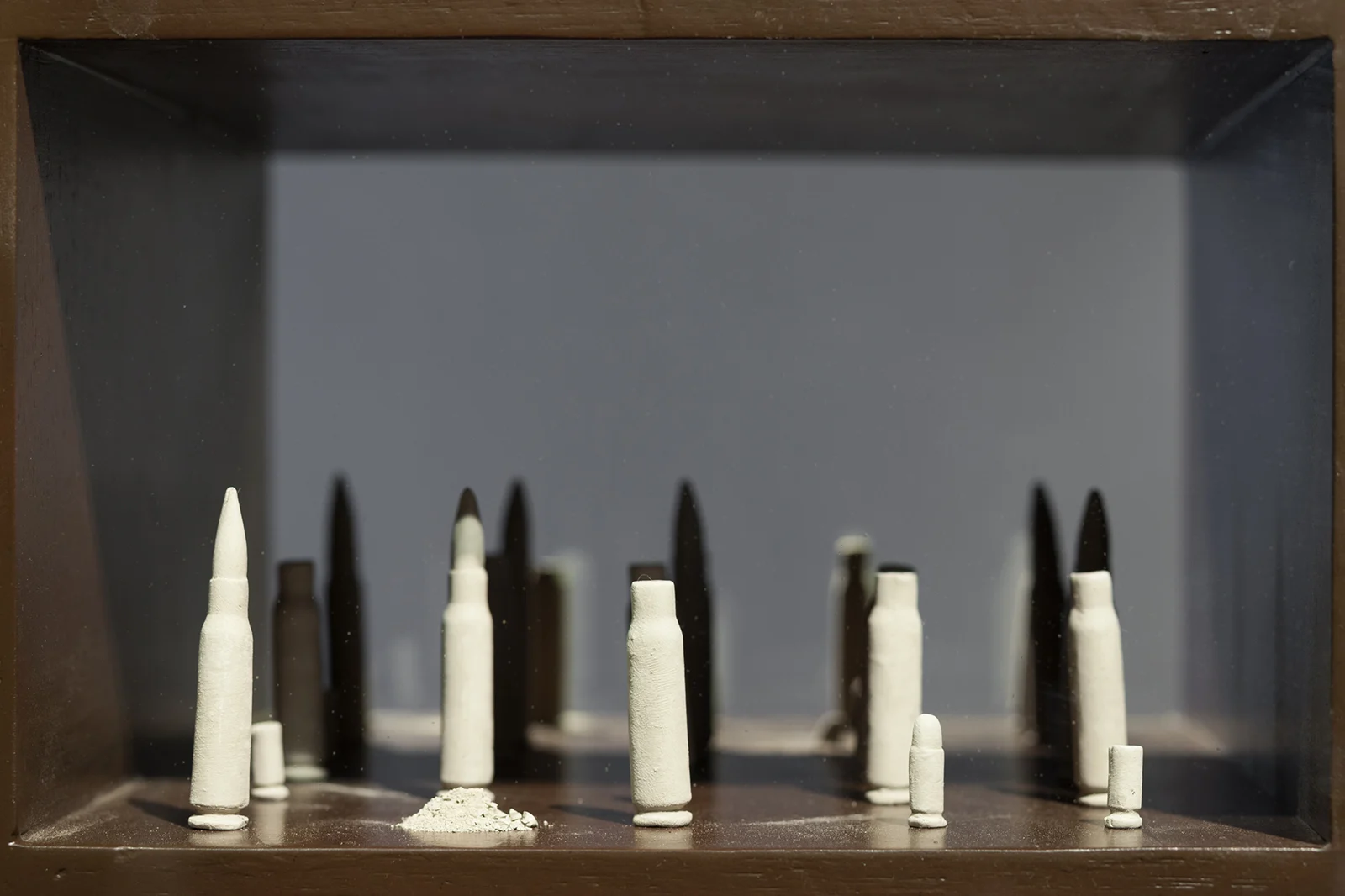
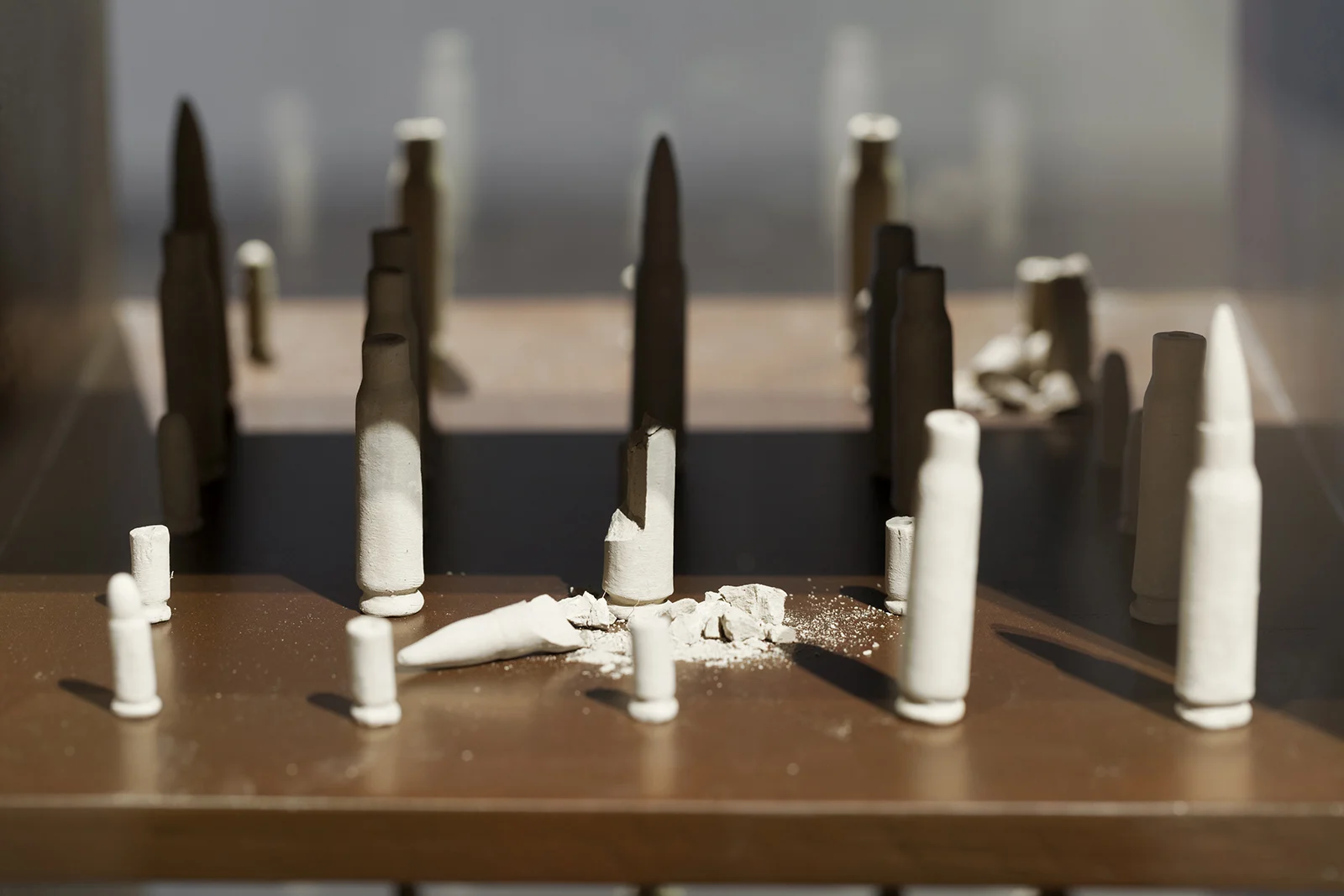
There are occasions like this, where it is impossible to match the law of blind attachment to an object or material device that a person keeps close to him and preserves (or fetishizes), with the radical clarity ethics that demands ruling and affirming the value of existence and the iniquitous calculations that led to the massive destruction practiced by the dictatorships of the Southern Cone of South American political history during the three decades from 1960 to 1990 (Paraguay under the General Stroessner , Chile under General Pinochet and Argentina under General Videla). The strategy so far evident in the work of Rudolph Castro was about childhood, with its pleasures and discontents. They toys and games were the ones which subjugated the adult memory and proposed a strange screen through which one could filter the unspeakable collective experience of living in constant fear and uncertainty over a period of violence in Peru (1980 - 2000). Some of this childhood haunt persists in the approach of the artist in this new solo show that is an ambitious articulation and a mayor enunciation of his poetics.
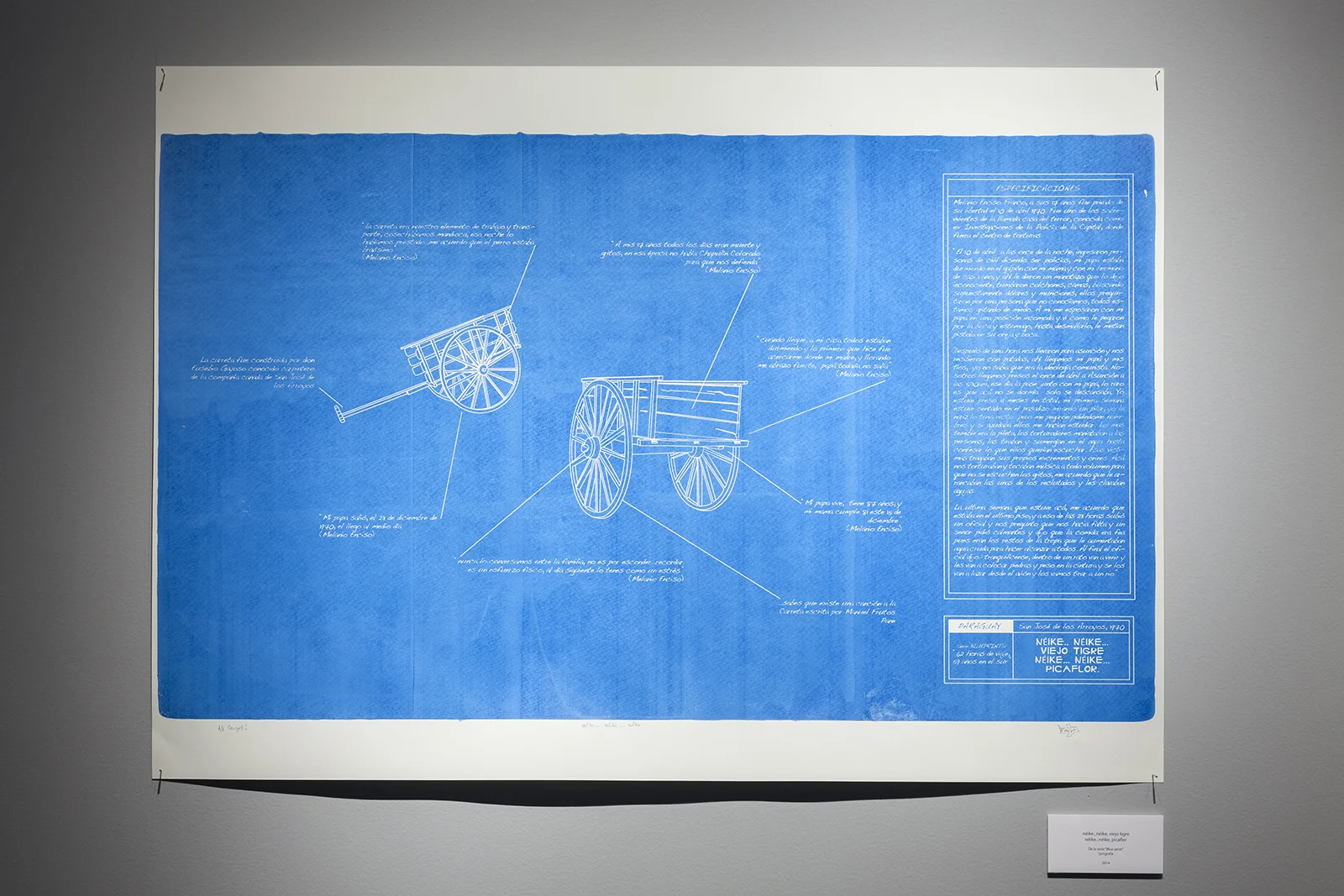
One ends up finding that the improbable is installed as the key to a unpredictable art show. “Sixty-two hour trip, fifty-nine years in the South” sounds cryptic but doesn´t lack mystery once the emerging keys are explained. The artist spent 62 hours in different modes of transport that took him through different parts of the country to meet people that wanted to tell their story. 59 is the number that sums up the years that dictatorships lasted, which he has investigated (35 years in Paraguay, 17 years in Chile and 7 years in Argentina). It is paradoxical that in less than three days (72 hours) one can travel to 3 countries and search after memories that comprise tiny fractions of sixty years of desolation, suppression of freedom and death. In both cases, the timing seems overwhelming. Memories and experiences of the journey do not fit within time frames whatever they may be.
As part of that improbability, there is a notable absentee in the exhibition: the Paraguayan Martin Almada, his personal experience and his revelations about Operation Condor , were critical for the artist to launch his process and his proposal since 2011. The unlikely also seized the video installation displayed. Raised from a video found by Rudolph Castro on the INTERNET– exceptional found footage when you see at it, this is a film of the performance of spanish singer Juan Bau in Viña del Mar song festival in 1976, which includes segments of the public response to Nino Bravo´s song “Free”. This work appears to exceed all forms of verbalization and must be seen to be believed. The banality of evil appears incarnate, besides the pure manifestation of hope against all hope.
Humility and modesty of this artist are more unlikely in the current era. His name already stands up and the development of his work will undoubtedly be subject to close monitoring by those who wish to identify the directions of a meaningful young creativity and relevance in the visual arts of contemporary Peru.
Lima, October 28th, 2014 · Published English text Catalogue ↗
Rudolph Castro invited me to his workshop weeks before the inauguration. I had been lucky enough to follow the process of SIXTY-TWO HOURS OF TRAVEL AND FIFTY NINE YEARS IN THE SOUTH: from research and complex travel itineraries to the search for victims of Operation Condor abroad. Also doubts that these projects often bring under his arm and excitement that every advance meant to him. Throughout the process I noticed journalistic rigor and great human sensitivity to the issue. Two ingredients that unfortunately are not often together.
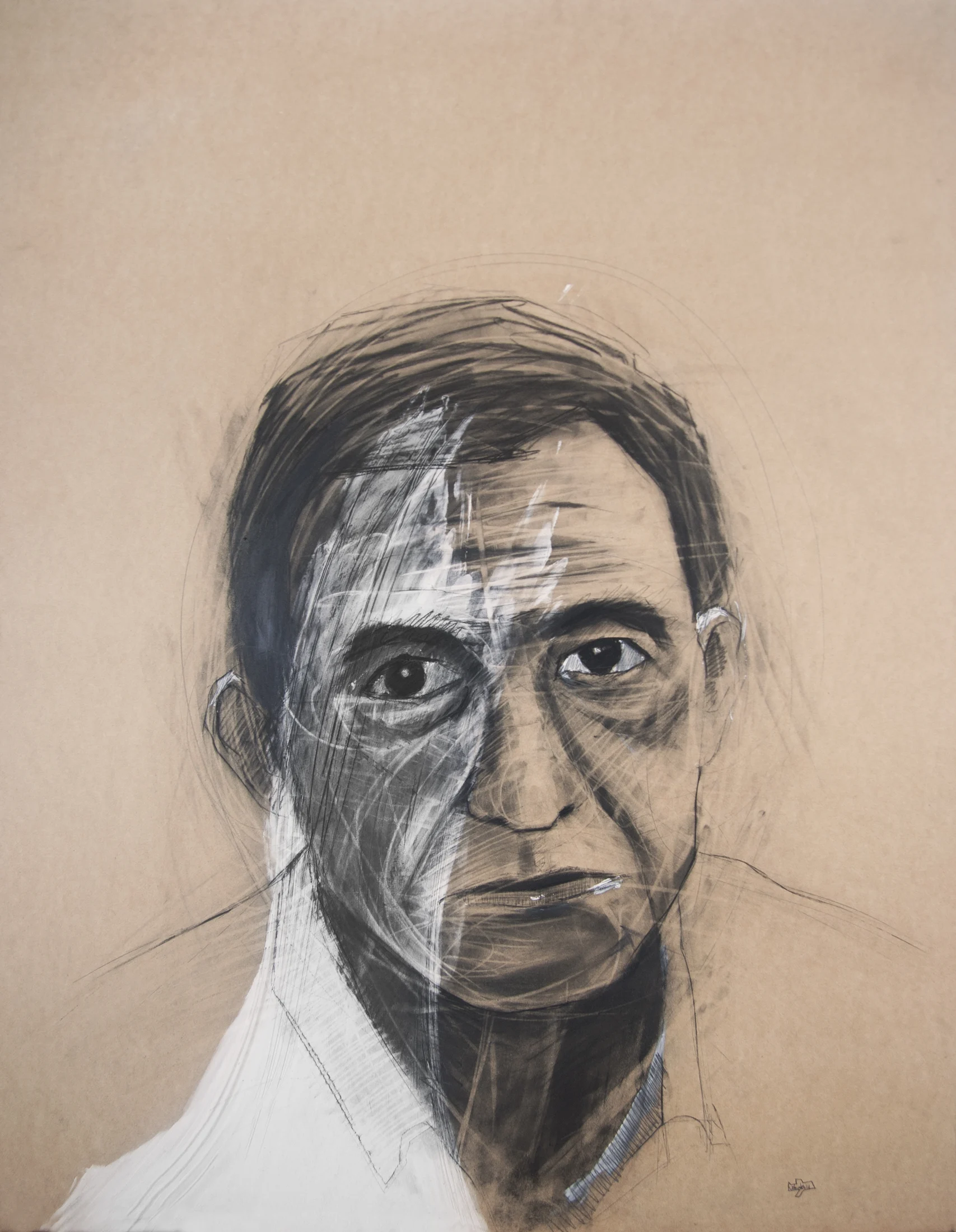
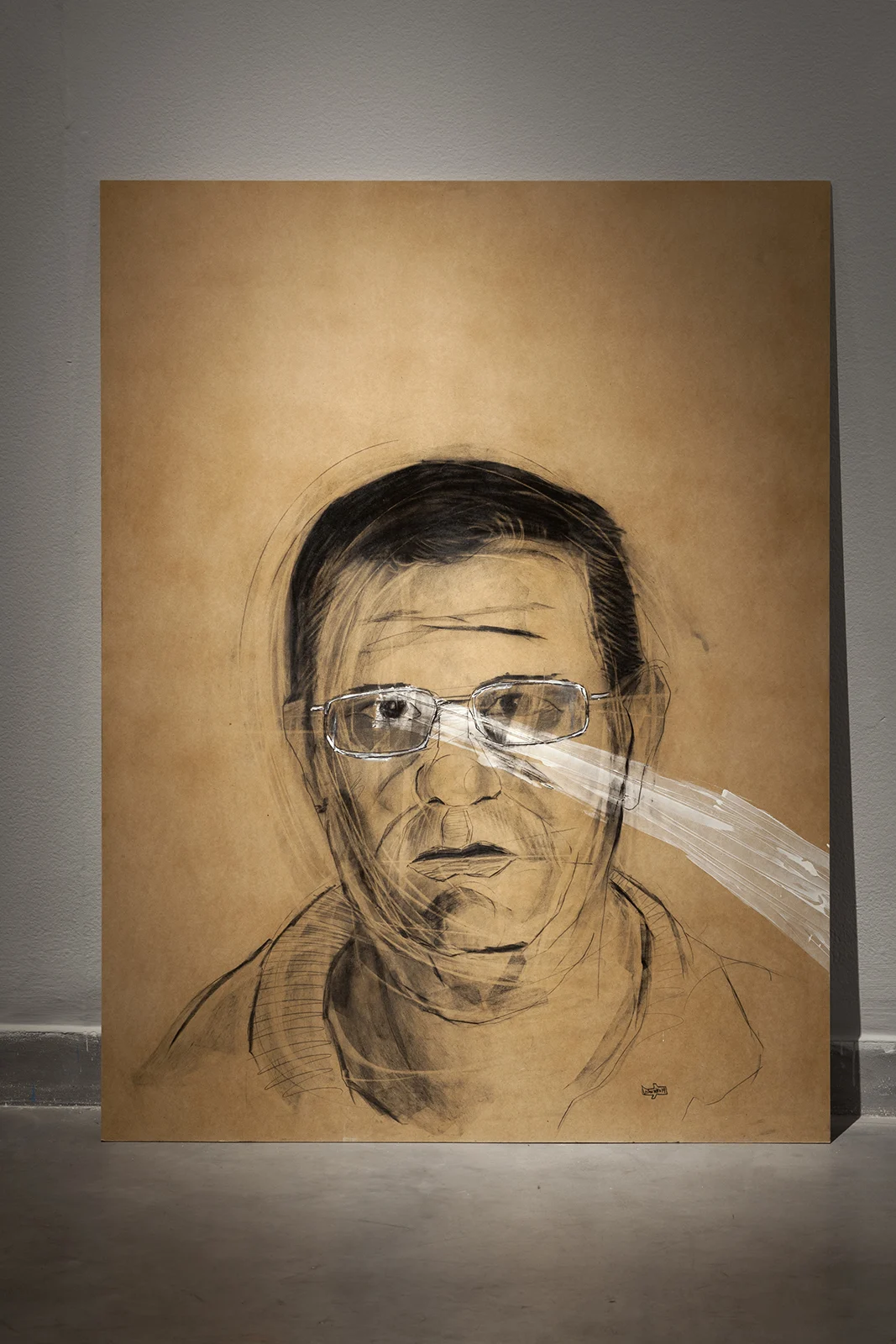
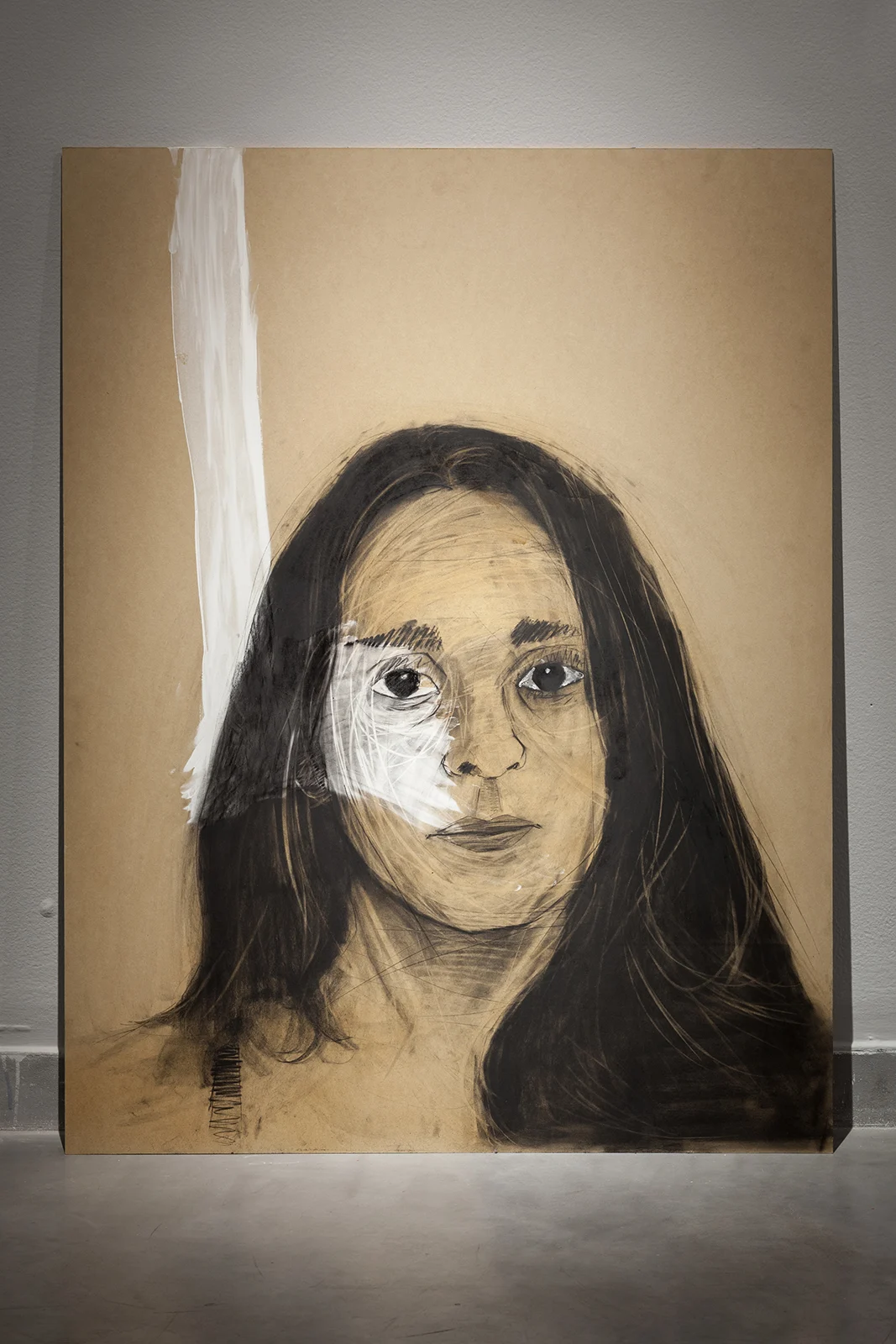
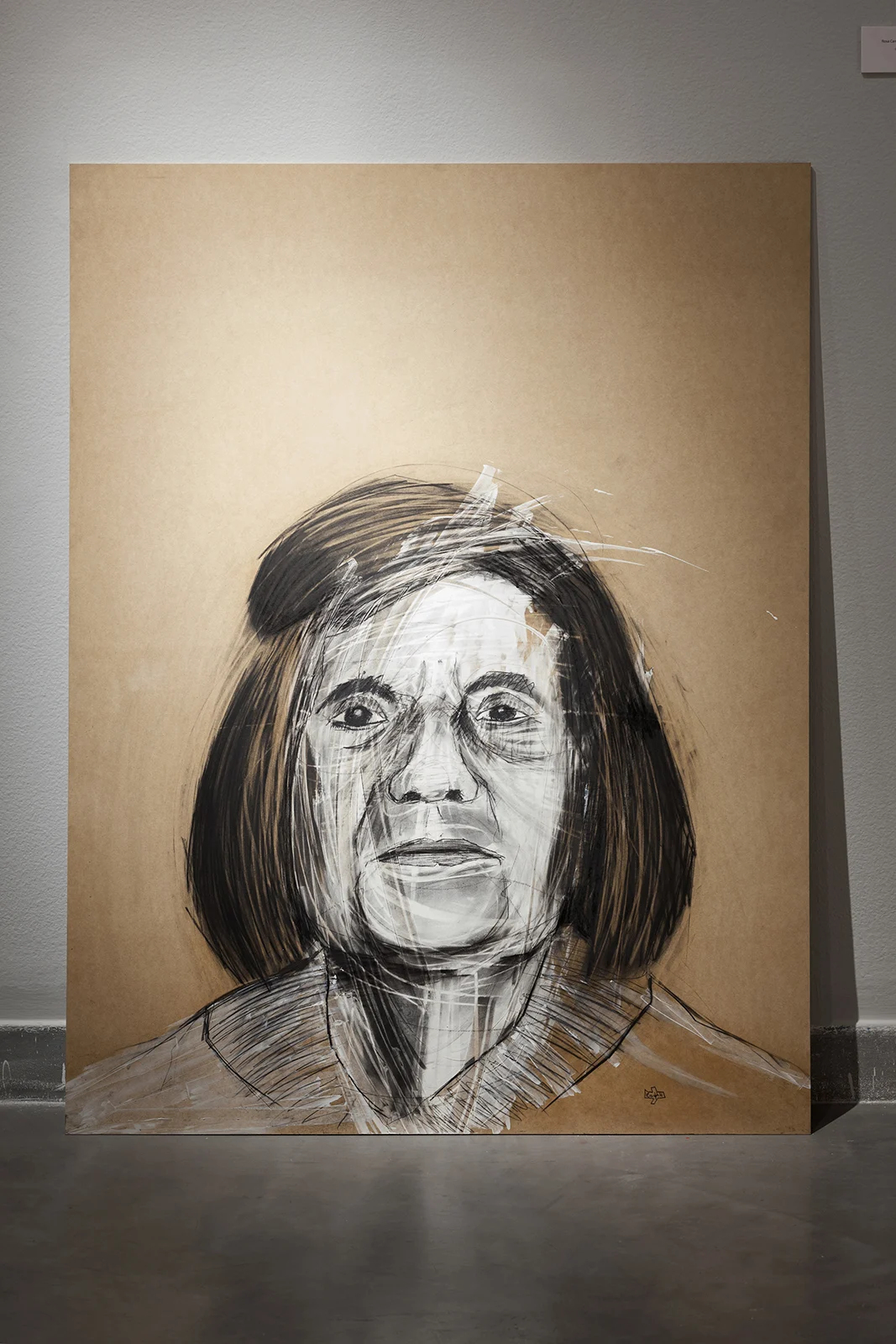
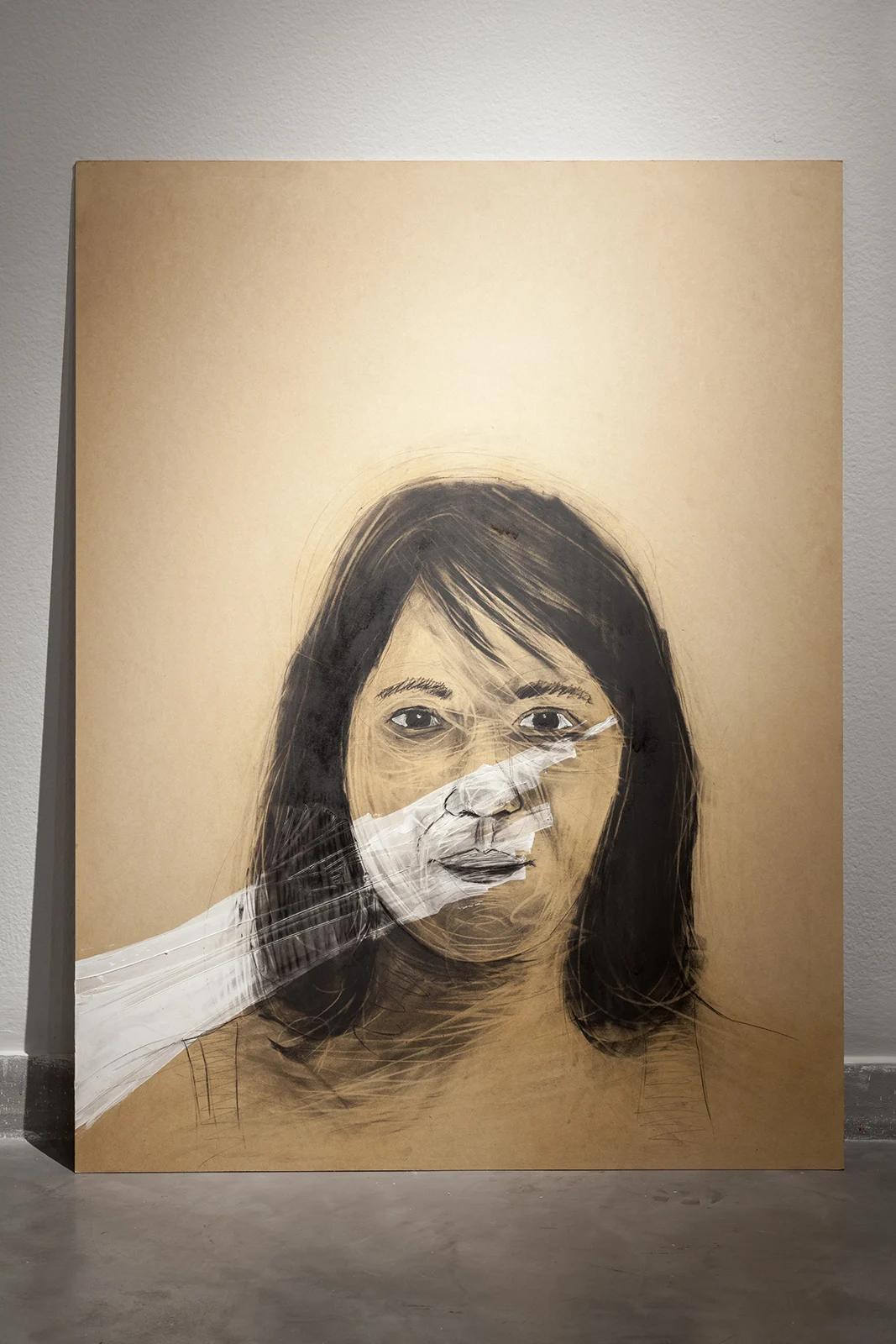
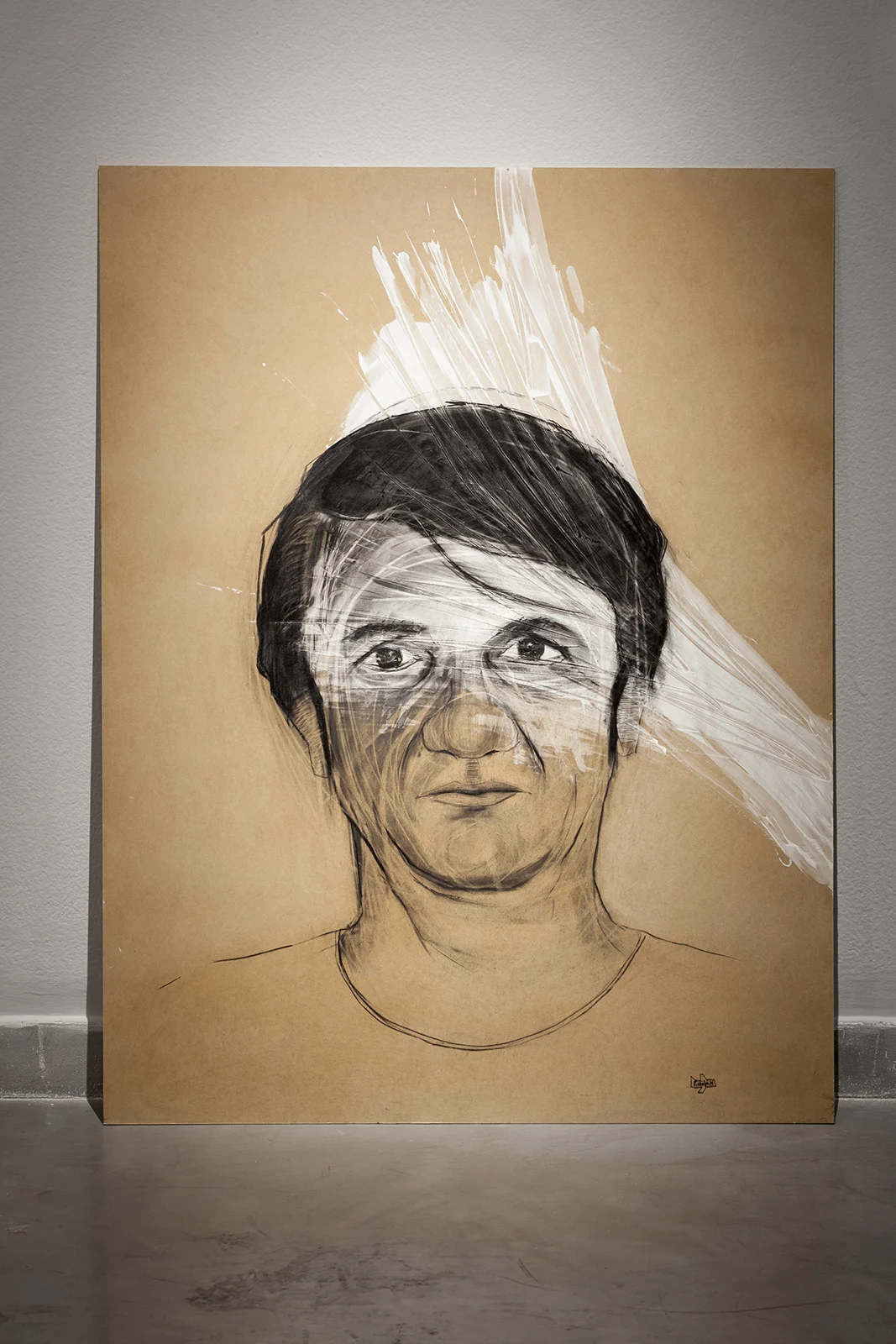
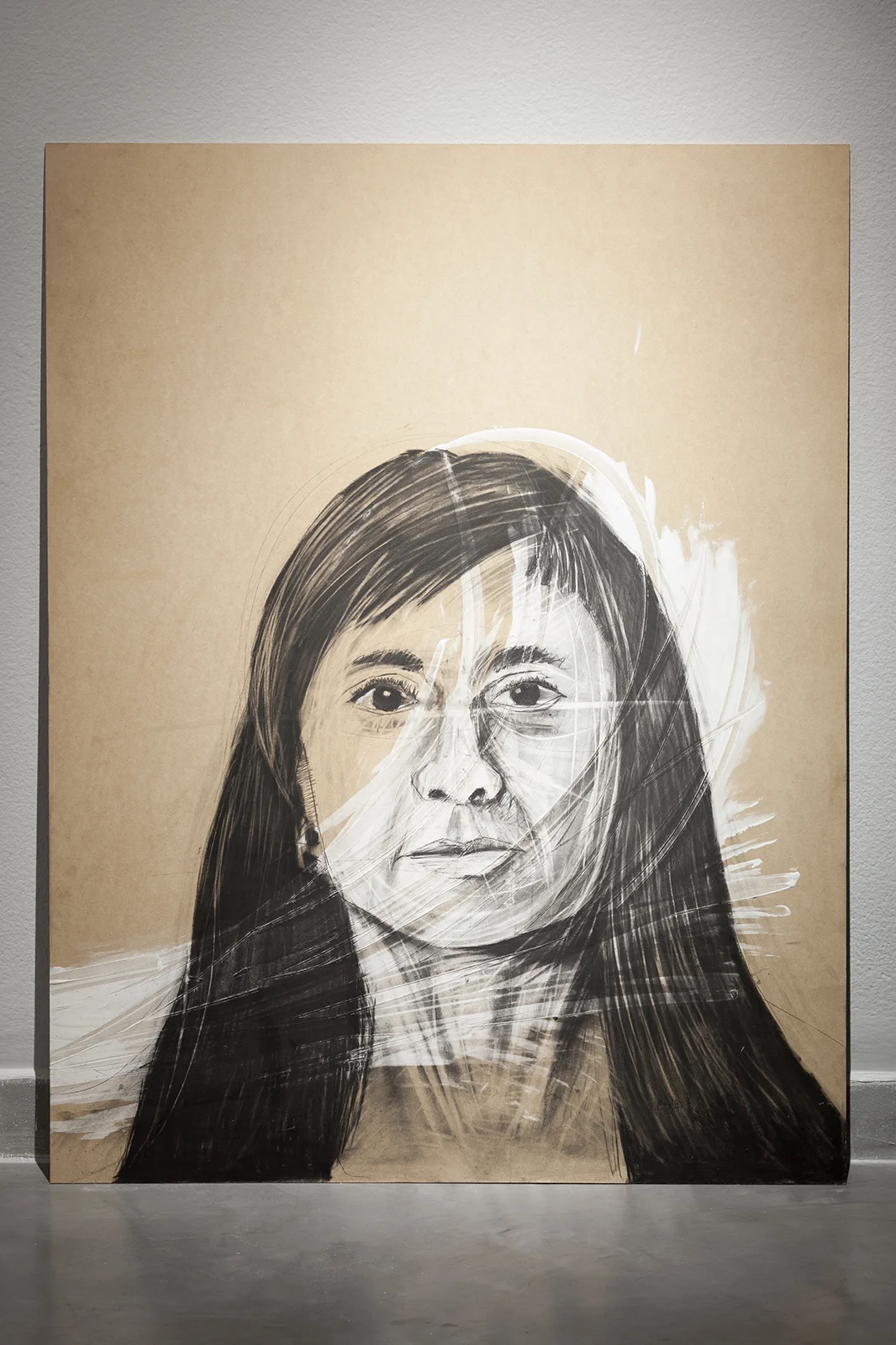
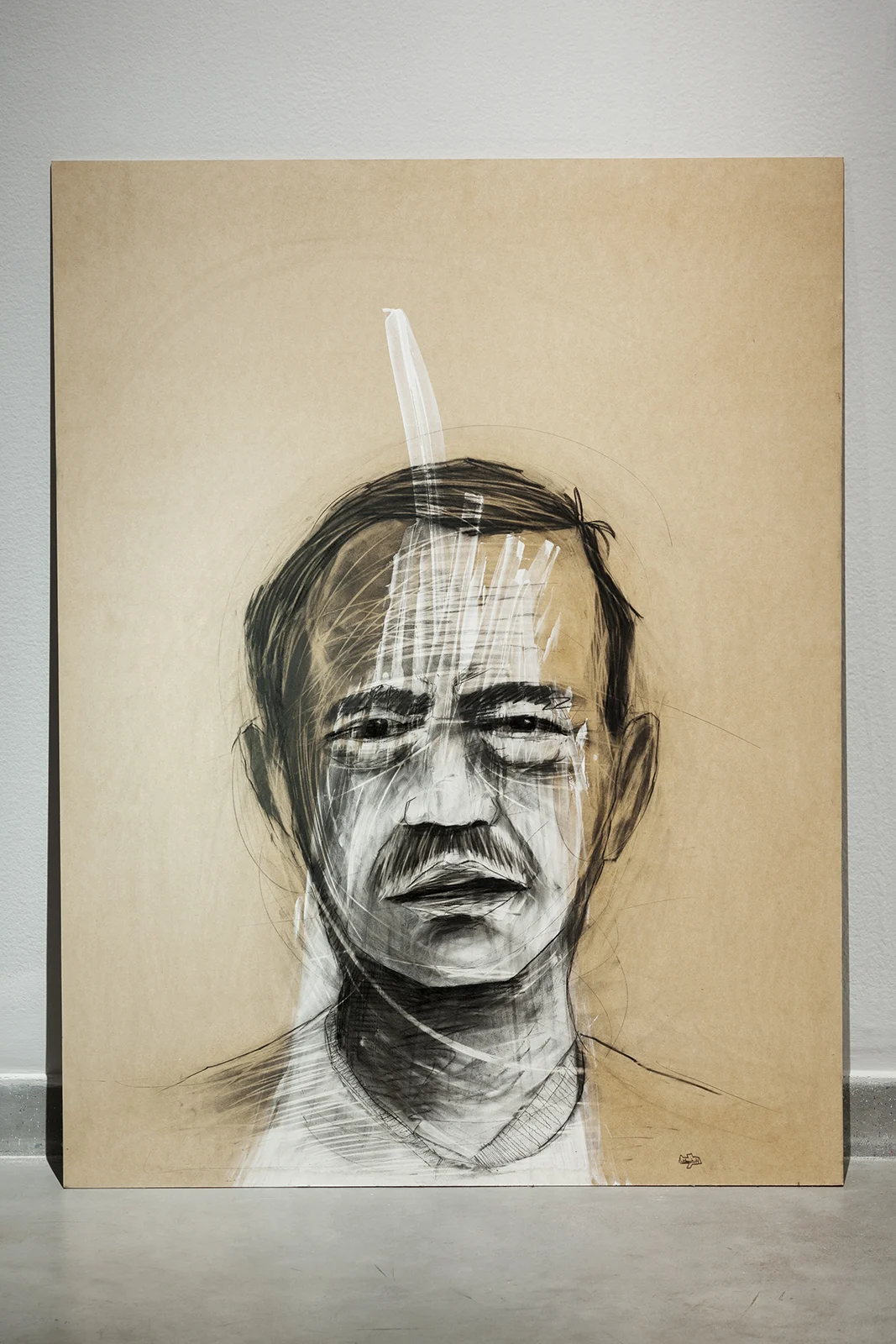
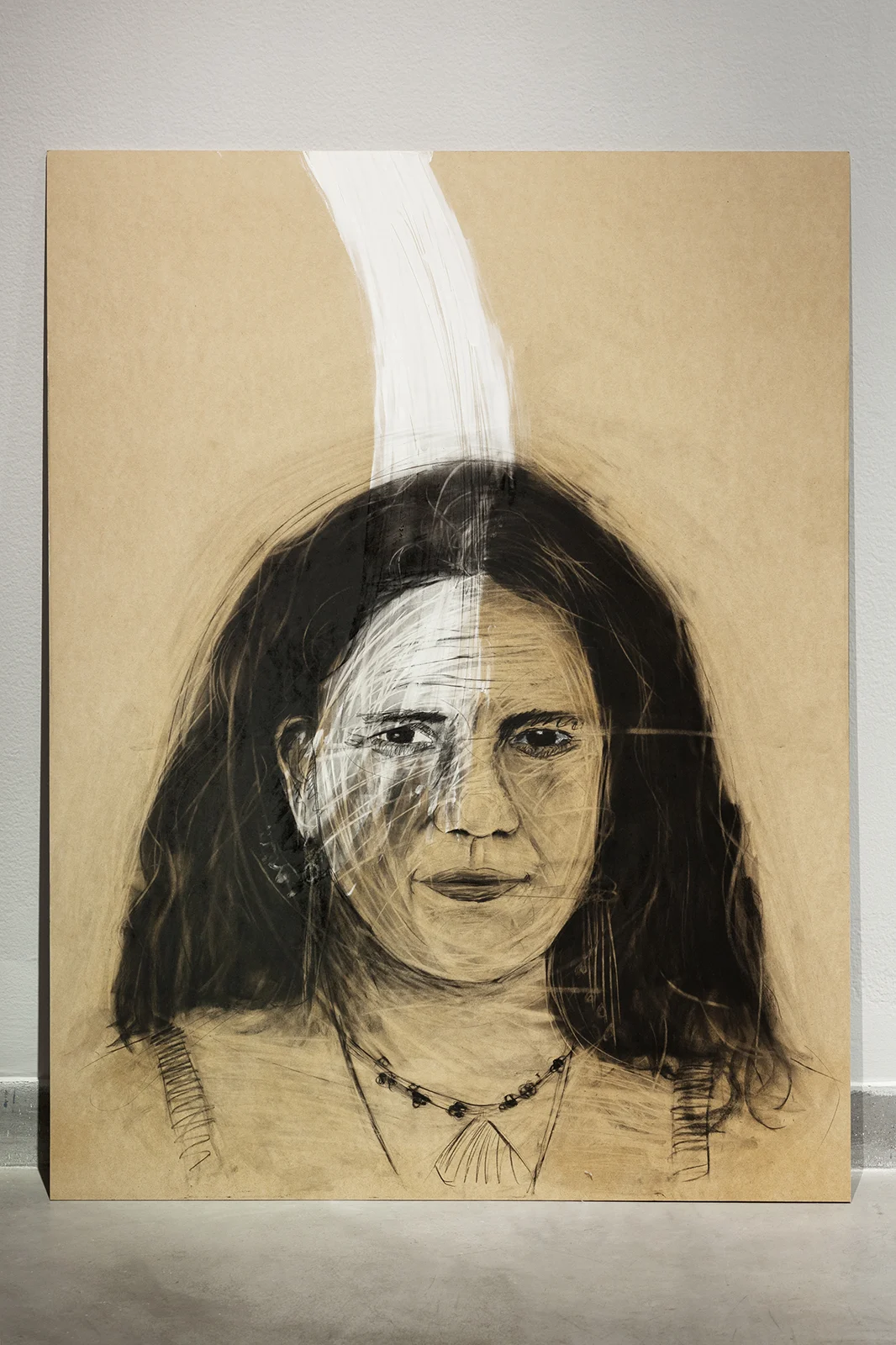
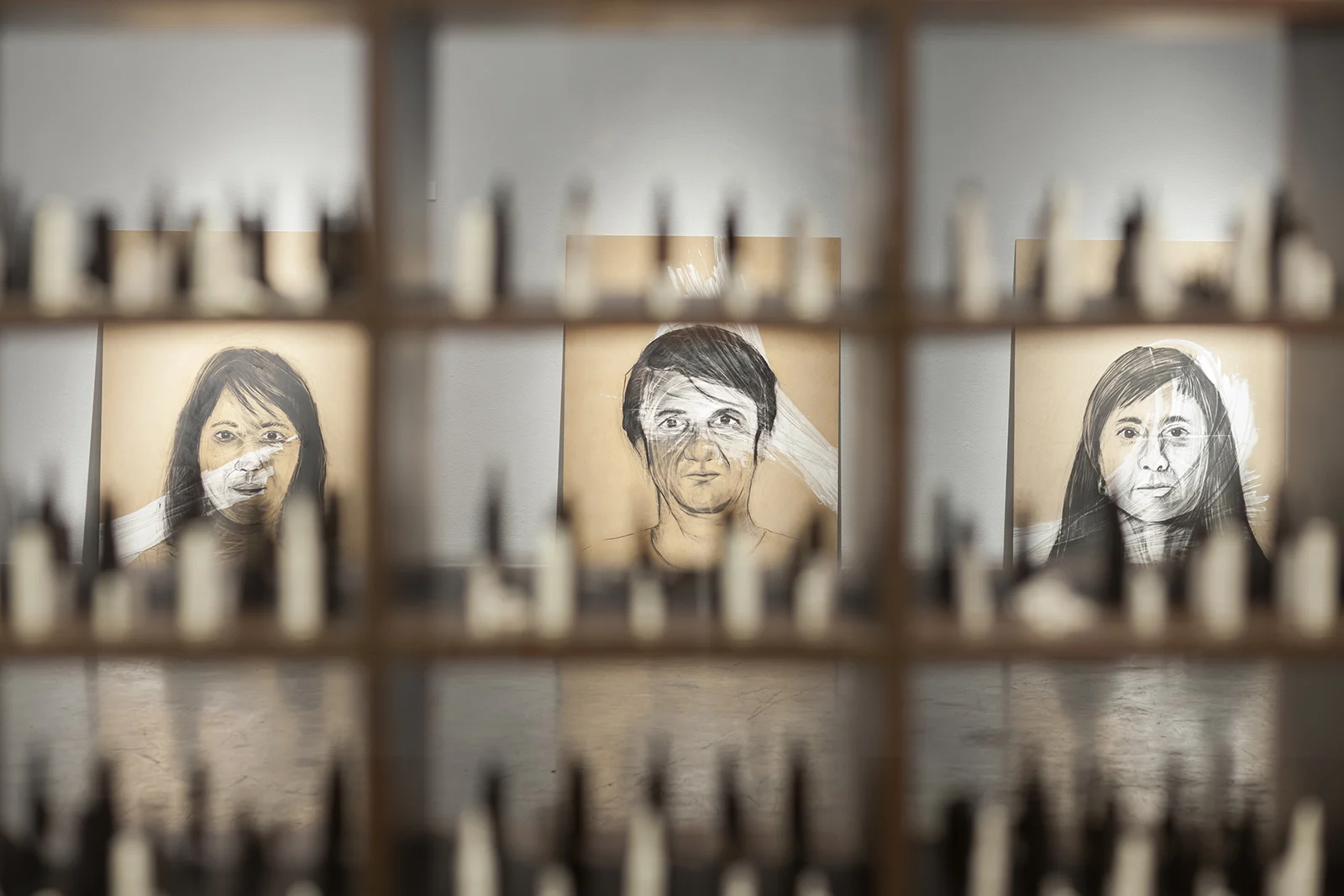
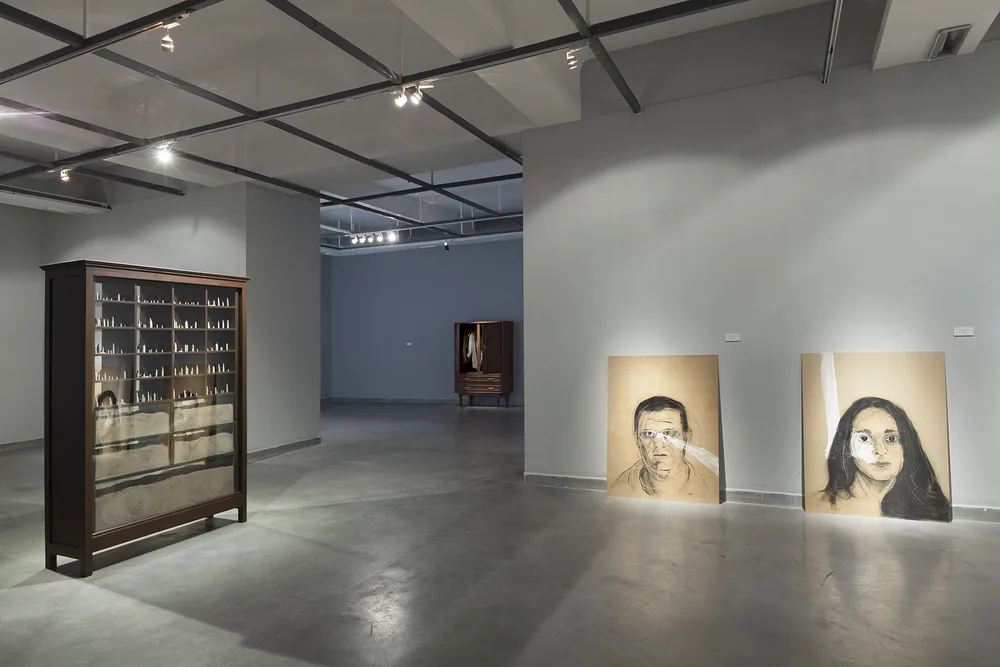
That morning in the shop, I could finally see the portraits of the victims interviewed by Rudolph in Argentina, Chile and Paraguay. Painted faces that look of shock, sadness, mild anger or something I cannot think of better comparison with a candle that was once lit, and no longer.
In this docile presentation of the victims dashed strokes, you could glimpse something extremely violent that had to do with some technical drawing. Then I asked about those strokes that created gaps as small ray of light on the faces of the victims. The answer was innocent but had a powerful dramatic charge. “I draw with the eraser”.
It could be a trick of the subconscious that Rudolph has always been interested in victims of terrorism, military or the dictatorships; and at the pair has found an ally in the draft to work his works. With the draft he portrayed people who had been removed by the military. Or that, to the best of their luck, had suffered from the attempt to be. It was curious that he, with his portraits, used the draft to show that space left by people when they are not where they should. No to correct, but for the record. It’s funny, because while the military dictatorships of Operation Condor used weapons to try to erase lives without leaving any traces, Rudolph used the draft as a weapon to demonstrate that these weapons leave emptyness. In any case, anywhere in the world no weapon can erase the memory. But, although sadly, only feed it.
Published English text Original text ↗
Project details
- Medium
- Installation, drawing and video
- Field
- Art
- Curator
- Jorge Villacorta
- Catalogue photography
- Milagros Espinoza and Edi Hirose
- Lima
- Sala Luis Miró Quesada Garland, 2014
- Cusco
- Qorikancha, 2015